
Side hustles that actually pay in South Africa (2026): real income numbers, not motivational posters
What delivery driving, freelancing, reselling, tutoring and a dozen other hustles earn per month, what they cost to start, and where the money is going in 2026
Silas SelekaneInsly
15 Sept 2026 · 7 min read · 0 followers

Search "side hustles South Africa" and you get lists of thirty ideas with no numbers attached. That is useless. The difference between a hustle that pays for data and one that replaces a salary is the difference between a hobby and a business, and you should know which you are starting before you spend a cent.
Below are the hustles South Africans are earning from in 2026, with the realistic monthly range at part-time effort, what it costs to start, and the catch. The numbers come from platform rate cards, driver forums, freelancer surveys and our own listings; treat them as ranges, not promises.
Tier 1: skills you can sell from a laptop
Freelance writing and content. SEO blog posts pay R500 to R2 000 each, website copy R2 000 to R8 000 a project, product descriptions R100 to R300 each, and a monthly social media content retainer R1 500 to R5 000 per client. Three retainer clients is R10 000 a month for around 30 hours. Start-up cost: nothing beyond a laptop and a portfolio of three samples you write for free. Catch: the first client takes months; the fifth takes a week.
Graphic design and branding. Logos R800 to R5 000 on the local market, R150 to R600 on Fiverr, social media template packs R1 000 to R3 000. Insly's own Services marketplace sells branding packages from R2 500. Catch: Canva has flooded the bottom of the market; the money is in brand systems and print-ready work.
Web development. A five-page small business website sells for R3 000 to R15 000 locally and takes a competent builder 15 to 30 hours. Two a month is a second salary. Catch: clients want hosting, email and "just one more change" forever. Price maintenance separately.
Bookkeeping and tax. Monthly bookkeeping for a small business runs R800 to R3 000, annual returns and tax submissions R1 500 to R5 000 per client. Ten clients is a full-time income. Start-up: a SAIT or SAIPA registration helps but is not required for bookkeeping. Catch: liability. Get it in writing what you are and are not responsible for.
Tutoring. In person R150 to R400 an hour for high-school maths, science and English; online R100 to R250. Matric exam season (September to November) doubles demand. Catch: income collapses in December and January.
Global freelance platforms. Upwork and Fiverr pay in dollars, which at R17 to R18 to the dollar makes a US$25 an hour rate worth R430. Data entry, virtual assistance, transcription and customer support gigs pay US$5 to US$15 an hour; specialised skills (development, design, video editing) US$20 to US$60. Catch: Upwork takes 10%, Fiverr 20%, and you compete with the whole world. Payoneer or a Wise account gets the money home.
Tier 2: your car, your bakkie, your time
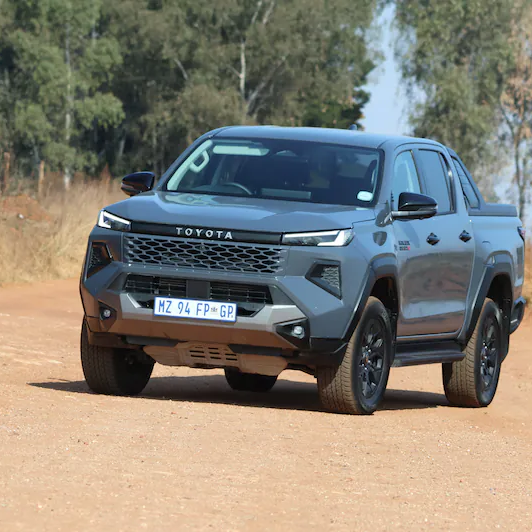
E-hailing. Uber and Bolt drivers in the big metros gross R12 000 to R20 000 a month full-time, roughly R5 000 to R8 000 at weekends and evenings only. Uber takes 25% commission, Bolt 20%. Catch: fuel, tyres and servicing eat a third to a half of gross. A paid-off, fuel-efficient car is the difference between profit and working for the bank.
Food and parcel delivery. Mr D, Uber Eats and Bolt Food pay per delivery, R20 to R45 a drop depending on distance and time slot, plus tips that add 30% to 50% when you are quick and polite. Scooter riders net R4 000 to R9 000 a month. Takealot's owner-driver programme is the ceiling: R10 000 to R16 000 a month with your own bakkie or car, full-time. Catch: peak pay is dinner and weekends, exactly when you wanted to be off.
Furniture and small moves. A bakkie and a strong friend earn R500 to R1 500 per local move, R2 000 to R5 000 for a house within the city. List on Insly and take quote requests. Catch: insurance. One dropped fridge wipes out a month.
Airbnb and short-term rental. A spare room in Cape Town, Johannesburg or Durban earns R6 000 to R15 000 a month at 60% occupancy; a whole flat R12 000 to R30 000 in season. Catch: cleaning, guest messages at 23:00, and body corporates that ban it. Check your rules first.
Tier 3: buying and selling
Online reselling. Thrifted and imported clothing on Yaga earns sellers R2 000 to R15 000 a month; the top sellers do more. Electronics, collectables and tools on Bob Shop (formerly Bidorbuy) and Facebook Marketplace. Margin is 40% to 100% on thrift, 20% to 40% on imported goods. Catch: stock ties up cash and shipping eats margin on cheap items.
Baking and cooking. Birthday cakes R350 to R1 200, cupcakes R25 to R45 each, weekday lunch boxes for office workers R60 to R90 a day per customer. Twenty lunch subscribers is R30 000 a month gross. Catch: you need a municipal Certificate of Acceptability to sell food legally, and ingredients run 35% to 45% of price.
Spaza and tuck shops. Margins are thin (10% to 25%) but volume is high and government now funds them: see the Spaza Shop Support Fund. Catch: compliance is no longer optional after 2024. Register with the municipality.
Airtime, data and prepaid electricity. A vending device from Flash, Kazang or a bank earns 3% to 8% commission. R50 000 a month in sales is R2 500 in commission, which is a good add-on to a shop but not a business on its own.
Tier 4: hands-on services
Hair, nails and beauty from home. A mobile nail technician earns R200 to R450 per set, a home-based hairstylist R300 to R1 500 per client depending on the style. Two clients a day, five days a week is R20 000 a month. Start-up: R3 000 to R15 000 in kit and training. Catch: word of mouth is everything; a listing with reviews is your marketing.
Cleaning and domestic services. R350 to R600 per house per day, R800 to R2 000 for a deep clean or a post-tenant clean. Small teams doing office cleaning contracts earn more with less physical work. Catch: transport between jobs.
Garden services. R300 to R600 per garden per visit; a route of 25 weekly gardens is R30 000 to R60 000 a month gross with one employee and a trailer. Start-up: R8 000 to R25 000 in equipment. Catch: rain, and the equipment gets stolen.
Handyman, plumbing, electrical. Call-out fees R350 to R650, hourly R250 to R500. Qualified electricians and plumbers with a certificate of compliance earn far more. These are the most-requested trades on Insly; set up a listing and answer quote requests. Catch: unlicensed electrical work is illegal and uninsurable.
Photography. Events R2 500 to R8 000, matric farewells R1 500 to R3 500, product shoots for small businesses R1 500 to R5 000, headshots R800 to R2 000. Catch: the gear costs R30 000 and everyone with a phone thinks they are a competitor.
Tier 5: content and audience
YouTube, TikTok and Instagram. South African creators with 100 000 engaged followers earn R5 000 to R30 000 a month from brand deals, far more than from platform ad revenue, which pays poorly for African views. Catch: the first year earns nothing. Treat it as an unpaid apprenticeship.
Affiliate marketing. Takealot, Superbalist, Loot and various financial products pay 2% to 10% on referred sales. A niche blog or WhatsApp broadcast list with real trust can earn R2 000 to R20 000 a month. Catch: takes a year to build and dies if you recommend rubbish.
Online courses and templates. A R299 course sold 30 times a month is R9 000. Excel budgets, CV templates, Canva packs and lesson plans sell on Gumroad, Etsy and locally. Catch: the course business is a marketing business.
What separates the R2 000 hustles from the R20 000 ones
Three things, every time:
- A skill or asset the customer cannot easily replace. Driving pays less than plumbing because more people can drive.
- Repeat customers. Retainers, subscriptions and routes beat one-off jobs. The garden-route operator earns more than the better-paid once-off landscaper.
- Being findable. The hustles that grow are the ones customers can find, compare and trust. A free Insly listing with photos and reviews does that for local services; a portfolio site does it for digital skills.
Before you start
- Register for tax when you cross R95 750 a year (the 2026/27 threshold under 65). SARS knows about your Uber income.
- Keep business money in a separate account from day one.
- Check whether your employment contract allows outside work. Most do; some do not.
- If the hustle grows, look at what funding exists for it. NYDA, SEDFA and the provincial agencies all fund businesses that started as side hustles.




Responses
No responses yet. What did this make you think?