
National Departments in Gauteng
6 results
Get quotes from multiple providers
Describe your job once and compare quotes from National Departments providers — no payment now.

The Department of Tourism is mandated under the Tourism Act 3 of 2014 to: promote the practise of responsible tourism for the benefit of the country and for the enjoyment of all its residents and foreign visitors; provide for the effective domestic and international marketing of South Africa as a tourist destination; promote quality tourism products and services; promote growth in and development of the tourism sector; and enhance cooperation and coordination between all spheres of government in developing and managing tourism. The National Development Plan (NDP) is the 2030 vision for the country. It recognises tourism as one of the main drivers of employment and economic growth. Tourism is also positioned as one of the six core pillars of growth in the country's New Growth Path (NGP) framework. The National Tourism Sector Strategy (NTSS) provides a blueprint for the tourism sector in the pursuit of growth targets contained in the NGP. Through the Department's NTSS, the tourism sector is committed to creating a total of 225 000 jobs by the year 2020. The Department's objectives include ensuring that benefits of tourism are equitably shared amongst the people of South Africa, and planning for the empowerment of youth, women, and people with disabilities through entrepreneurial participation and opportunities. The Department's focus is on increasing competitiveness within the tourism sector in South Africa. In the medium term, the Department aims to increase investment in the tourism sector, increase inbound tourism, entrench a culture of tourism amongst South Africans, and increase the sector's contribution to job creation and economic growth.

The mission of the Department of Public Service and Administration (DPSA) is to establish norms and standards to ensure that the state machinery functions optimally, and that such norms and standards are adhered to; implement interventions to maintain a compliant and functioning public service; promote an ethical public service through programmes, systems, frameworks and structures that detect, prevent and combat corruption; and contribute towards improved public administration in Africa and internationally through dialogue and sharing of best practices. The Department is required to facilitate and support efforts that seek to, among others, improve service delivery quality and access; human resource management and development; business processes; systems and accountability management; anti-corruption and integrity; and effective public participation.
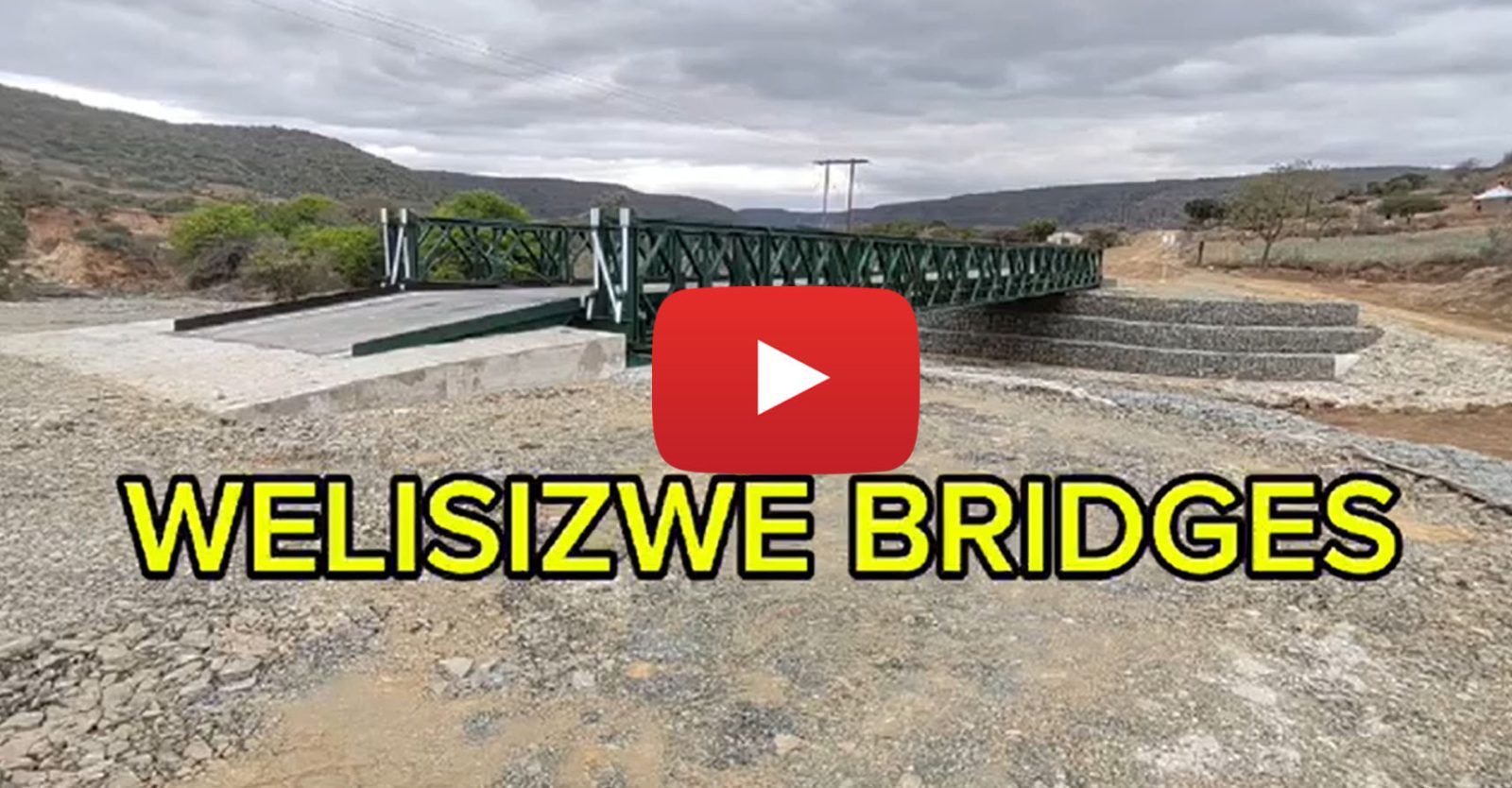
The Department of Public Works and Infrastructure is committed to the attainment of a transformed built environment sector by: providing strategic leadership to the South African construction and property industries; establishing and ensuring compliance to policy and legislative prescripts for the management of state-owned and leased-in immovable assets, and South African construction and property sectors; providing strategic direction on the integration of public works priorities; and contributing to the national goals of job creation and poverty alleviation through Public Works Programmes. The Property Management Trading Entity, within the Department of Public Works ensures the effective management of the state's immovable assets to contribute towards economic and social development and transformation of the built environment.
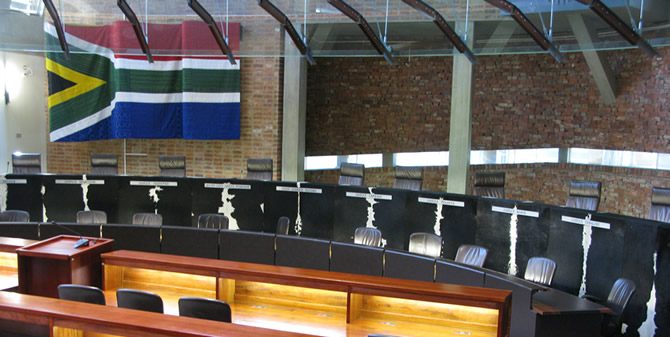
The Constitutional Court of South Africa is the highest court in the country when it comes to the interpretation, protection and enforcement of the Constitution. It deals exclusively with constitutional matters - those cases that raise questions about the application or interpretation of the Constitution. The Constitutional Court has exclusive jurisdiction in deciding disputes about the powers and constitutional status of branches of government. Only the Constitutional Court may: decide disputes between organs of state in the national or provincial sphere concerning the constitutional status, powers or functions of any of those organs of state; decide on the constitutionality of any parliamentary or provincial Bill; decide on the constitutionality of any amendment to the Constitution; and decide that Parliament or the President has failed to fulfill a constitutional obligation.

The Judicial Service Commission (JSC) is a constitutional body established in terms of section 178 of the Constitution read with the Judicial Service Commission Act 9 of 1994. The primary functions of the Commission are to: interview candidates for judicial positions and make recommendations for appointment to the bench; deal with complaints brought against the Judges; manage the Register of Judges' Registrable interests; and advise national government on matters relating to the Judiciary. When the JSC interviews candidates for judicial appointment, all the 23 members of the JSC, as well as the respective Premiers and Judges President of the respective Divisions of the High Court where the candidates have been nominated, participate in the interviews. All interviews for judicial appointment are conducted in public. Following the conclusion of the interviews, the recommendations are sent to the President, who then appoints the recommended candidates as Judges.
The Restitution of Land Rights Act of 1994 and specifically section 6, sets out the functions of the Commission which in essence frame the mandate of the Commission. These key functions are outlined as follows, to: acknowledge receipt of all claims for the restitution of rights in land; take reasonable steps to ensure that the claimants are assisted in the preparation and submission of claims; provide claimants with information regarding the progress of their claims on a regular basis and upon request; undertake the necessary investigations to understand the merits of the claim; take appropriate steps to ensure that the public are aware as to who is entitled to claim restitution, the limitations and requirements of the Act and the manner in which claims are to be lodged with the commission; and prioritise claims which affect a substantial number of persons or persons who have suffered substantial losses as a result of dispossession or persons with particularly pressing claims.
No map locations
These listings don't have coordinates yet.
Can't find the business?
Adding a business to Insly is always free.
Get free quotes from National Departments in Gauteng
Tell us what you need and get quotes from businesses that respond fast.
Related searches in Gauteng
Trending searches in Gauteng
- Banks & Credit Unions in Gauteng
- Doctors in Gauteng
- Auto Glass Services in Gauteng
- Empanadas in Gauteng
- Ayurveda in Gauteng
- Behavior Analysts in Gauteng
- Grout Services in Gauteng
- Flooring in Gauteng
- Acne Treatment in Gauteng
- Lawyers in Gauteng
- Fire Protection Services in Gauteng
- Body Contouring in Gauteng
- Donuts in Gauteng
- Dentists in Gauteng
- Hospitals in Gauteng
- Hypnosis/Hypnotherapy in Gauteng
- Venues & Event Spaces in Gauteng
- Commercial Truck Repair in Gauteng
- Country Clubs in Gauteng
More nearby
Frequently asked questions
What did people search for similar to national departments in Gauteng?
People also searched for these in Gauteng:
- SETAs
- State-owned Enterprises(SoEs)
- Constitutional Bodies