
Gauteng
58837 businesses
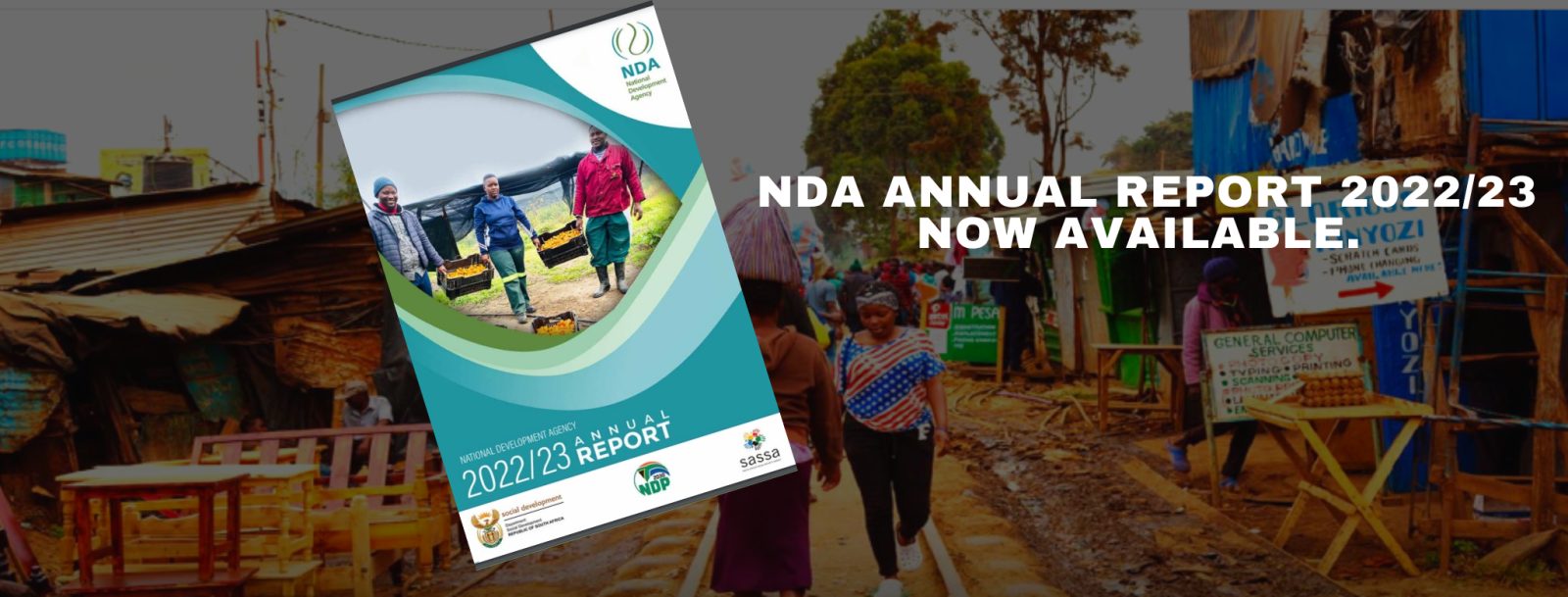
The National Development Agency's (NDA) mandate is to: contribute towards the eradication of poverty and its causes by granting funds to civil society organisations for the purpose of implementing development projects of poor communities and strengthening the institutional capacity of other civil society organisations that provide services to poor communities; promote consultation, dialogue and sharing of development experience between civil society organisations and relevant organs of state; debate development policy; and undertake research and publications aimed at providing the basis for development policy.
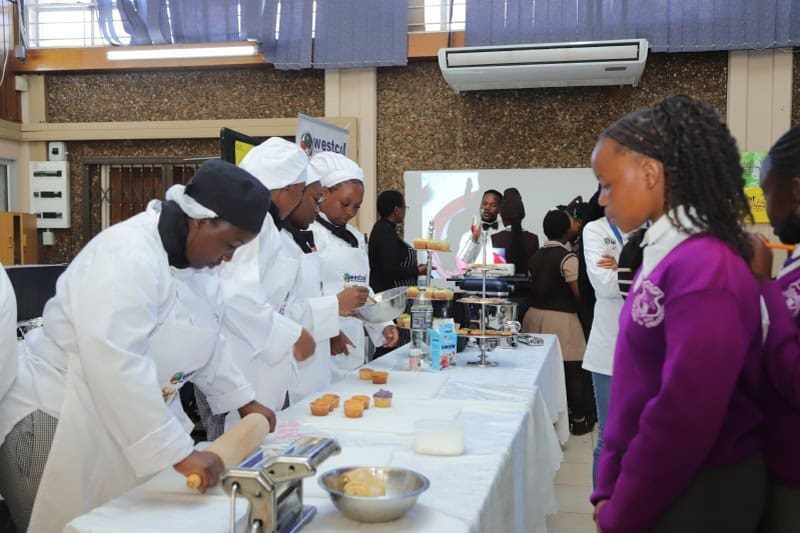
Department of Higher Education and Training (DHET)
The National Electronic Media Institute of South Africa (NEMISA), in collaboration with the Department of Communications and Digital Technologies (DCDT), is focused on the implementation of programmes for the development of the required skills and competencies to leverage the power of modern ICTs in South Africa, thereby contributing to socio-economic development, improving service delivery and improving competitiveness through ICTs. NEMISA's mission is to provide a national integrated e-skills development approach for sustainable socio-economic development in South Africa and to radically advance human capacity development in e-skills (digital skills).
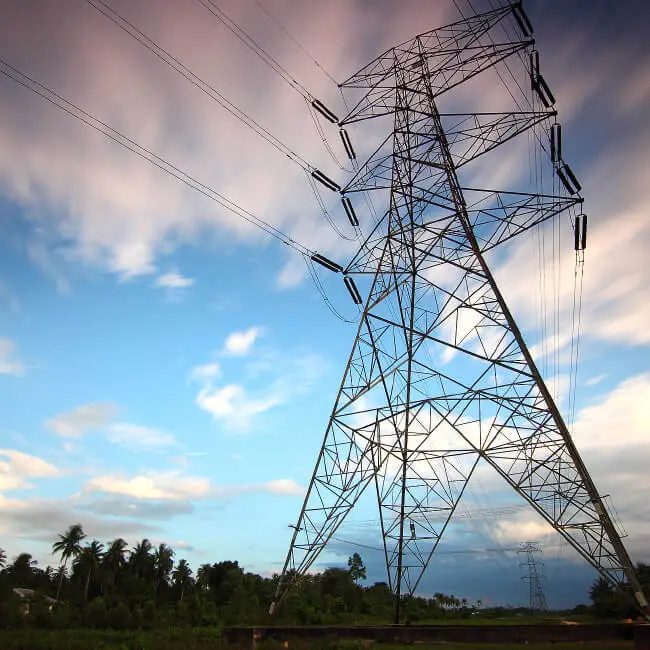
The National Energy Regulator of South Africa (NERSA) is a regulatory authority established as a juristic person in terms of section 3 of the National Energy Regulator Act 40 of 2004. NERSA’s mandate is to regulate the electricity, piped-gas and petroleum pipelines industries in terms of the Electricity Regulation Act 4 of 2006, Gas Act 48 of 2001 and Petroleum Pipelines Act 60 of 2003. NERSA's vision is to be a recognised world-class leader in energy regulation and its mission is to regulate the energy industry in accordance with government laws and policies, standards and international best practices in support of sustainable development. NERSA’s mandate, as contained in the relevant legislation, is summarised as follows: Issuing of licences and setting pertinent conditions; setting and/or approving tariffs and prices; monitoring and enforcing compliance with licence conditions; dispute resolution including mediation, arbitration and the handling of complaints; gathering, storing and disseminating industry information; setting of rules, guidelines and codes for the regulation of the three industries; determination of conditions of supply and applicable standards; registration of import and production activities. The role of NERSA is to ensure the development and sustainability of the electricity, piped-gas and petroleum pipelines industries, while facilitating the affordability of and accessibility to these industries, to balance the economic interests of all stakeholders, to ensure sustainable socio-economic development of South Africa and a better life for all.
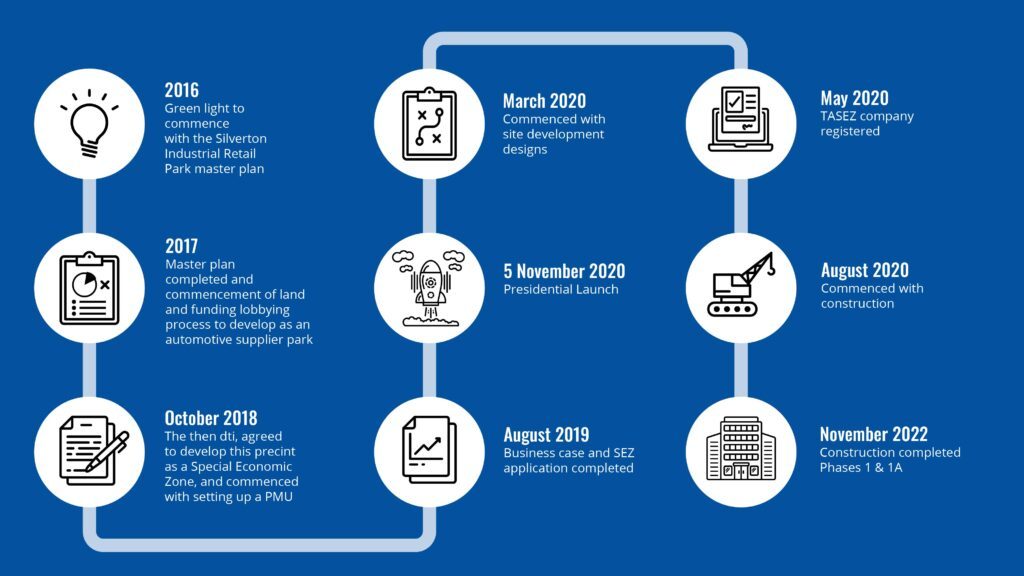
The vision of the Tshwane Automotive Special Economic Zone (TASEZ) is to be the benchmark for SEZs in South Africa while contributing to the growth of the automotive sector, with the objective of being a major creator of new businesses and contributor to employment, transformation and socio-economic development. Its mission is to be a catalyst for employment, transformation, and socio-economic development and industry growth by being a node attracting automotive suppliers and automotive manufacturers, assemblers and supporting services.

The Innovation Hub (TIH) is the innovation agency of the Gauteng province responsible for conceptualisation and implementation of innovation programmes as well as full development and operation of The Innovation Hub Science and Technology Park (TIH STP) located in Tshwane. It is a wholly owned subsidiary of the Gauteng Growth and Development Agency (GGDA). It was established by the Gauteng Provincial Government through its Department of Economic Development (GDED) to promote economic development and competitiveness of Gauteng through fostering innovation and entrepreneurship. TIH offers a number of incubation programmes in the bioeconomy (agro-processing and pharmaceutical), smart industries (ICT and advanced manufacturing) and green economy (water purification, waste management and renewable energy). In addition, TIH operates a range of enterprise development, skills development and innovation enabling programmes, both in the Science Park and throughout the Gauteng region.
The Gauteng Growth and Development Agency (GGDA) was established by the Gauteng Provincial Government through its Department of Economic Development (GDED). Its objective is to spearhead and coordinate economic development efforts for the province, targeting local and international business stakeholders. The GGDA's purpose is to grow the economy by positioning Gauteng as a Global Competitive City Region (GCR). It aims to demonstrate thought leadership in implementing key programmes and provide support for the development of key sectors. The GGDA's decree is to serve as the implementation arm of the GDED and assist the department in leading, facilitating and managing sustainable job creation and inclusive economic growth and development in the GCR. The GGDA recognises the importance of investment as a driver of job creation, skills development and firm creation for economic growth and development both within the province and throughout South Africa. One of its key deliverables is ensuring that investors receive all the support and information that they require in order to maximise the gains from their investments.

The mission of the Gauteng Gambling Board is to regulate the industry in a transparent, fair, equitable and competent manner for the benefit of all stakeholders. The Board's strategic goals are to increase monitoring of B-BBEE compliance; ensure compliance with legislative framework; ensure efficient and effective regulation of gambling; promote responsible gambling; enhance organisational performance by providing an enabling environment; ensure financial accountability and compliance to prescribed financial regulations and guidelines; and contribute to the eradication of poverty

The mission of the Gauteng Film Commission (GFC) is to cultivate, facilitate and enhance an environment that allows the film and television industry to play a meaningful role in the socio-economic development of Gauteng. The Entity's core business is to transform the Gauteng film and TV sector into a world-class industry through the following functions: increase the number of local and international film productions using GFC services, i.e. permit facilitation, location promotion and logistical support; conduct relevant research in order to become a hub of industry-related information; increase the number of jobs created in the film industry through GFC support and facilitation; increase enterprise ownership and participation by previously disadvantaged groups, i.e. black people, women and people with disabilities; contribute to an increase in and access to locally produced films through screenings, workshops, cinema exhibitions and broadcast partnerships, with the emphasis on under-resourced areas; and develop and maintain effective business processes. The GFC also markets Gauteng, with its world-class industry infrastructure, recognised expertise and wide range of locations, as a destination of choice for filming.
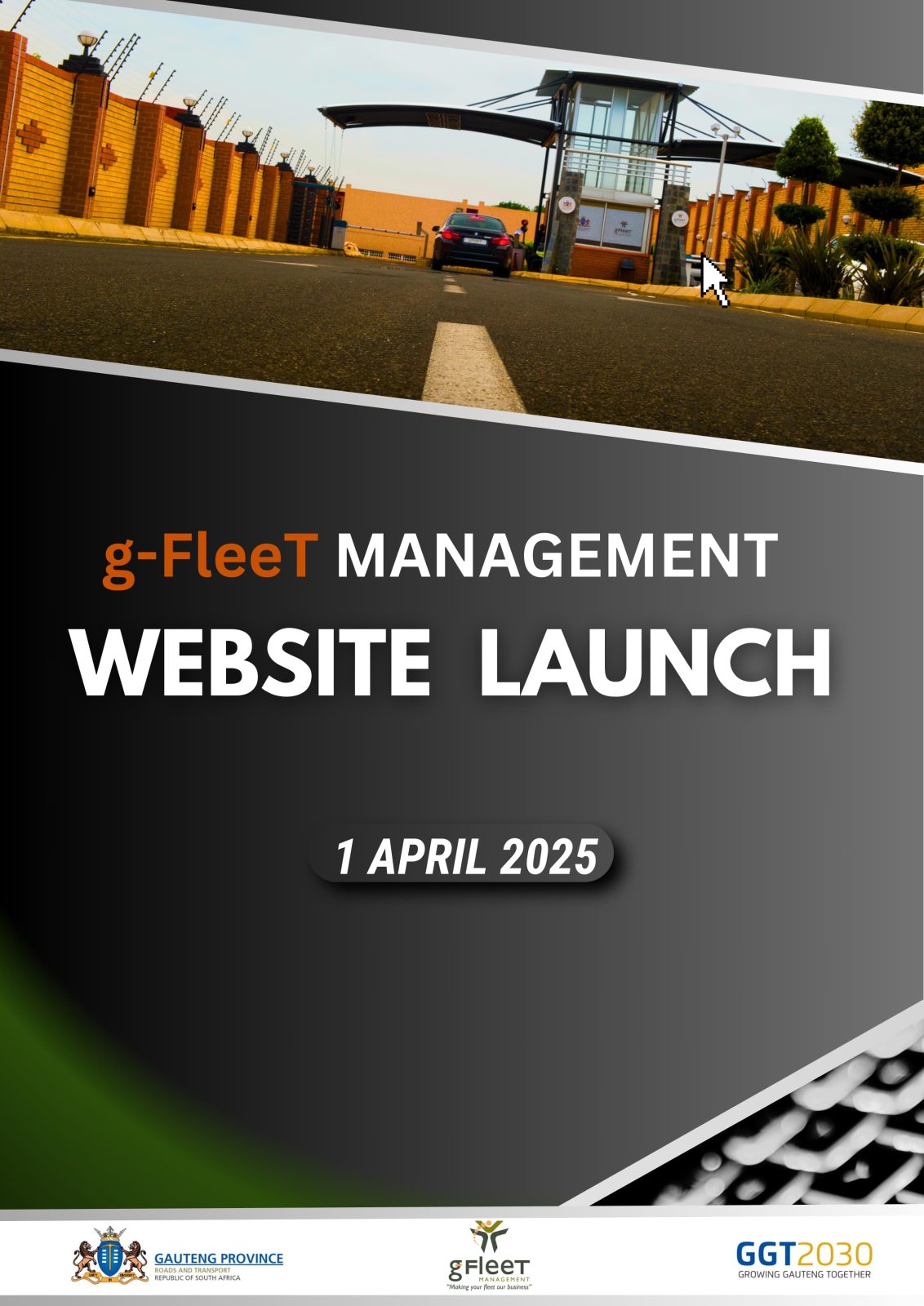
G-FleeT Management is a trading entity of the Gauteng Department of Roads and Transport and is a provider of vehicle leasing and fleet management services for the public sector in South Africa. Its clients include national, Gauteng provincial and local government departments. The core business of g-FleeT is provision of motor transportation including total fleet management services - finance, replacement, short-term rentals, maintenance, repairs, tyres, accident damage, fuel management and traffic fines management, registration, licensing and renewals - to all government departments. Currently the entity operates a fleet of approximately 7 094 vehicles. G-Fleet has offices in three other provinces (KwaZulu-Natal, Western and Eastern Cape) for the convenience of its clients nationwide. It also has a dedicated Customer Service Centre in Gauteng as well as a lounge/kiosk at the OR Tambo International Airport where its clients are offered top-class and personalised customer service.

The vision of Dinokeng is to have project areas which are conserved and sustainably developed as premier tourist destinations contributing to job creation and economic growth, creating a better life for all who live and work in and around them, and offering visitors diverse leisure and business tourism opportunities. The Entity's mission is to invest in strategic economic infrastructure and encourage private sector tourist activity; and to invest in visitor facilities, creating a network of attractions connected by scenic routes. They also aim to maximise Broad-Based Black Economic Empowerment (B-BBEE) and the development of Small, Medium and Micro Enterprises (SMMEs), and to consult with and involve all interested and affected parties in the management and development of the project areas.

The mission of the National Film and Video Foundation (NFVF) is to work with all stakeholders to support the development and promotion of the South African film industry, and to create an industry that represents our nation's aspirations and celebrates our diversity through the values of creativity, freedom of expression, entrepreneurship, equitable redress and collaboration. The Foundation's main objectives are to: increase the number of South African films and Previously Disadvantaged Individuals (PDIs) producing them; increase audience access to South African films; increase the number of people trained in the industry, particularly in areas of scarce skills; promote the South African film industry locally and internationally; and promote social cohesion and the expression of the nation's stories through film.
The National Financial Ombud Scheme South Africa (NFO) is an umbrella financial services ombud scheme formed by the amalgamation of four separate previously existing South African ombud schemes: the offices of the Banking Ombud (OBS); the Credit Ombud (CO); the office of the Long-Term Insurance Ombud (OLTI); and the Short-Term Insurance Ombudsman (OSTI). In June 2021, the World Bank published a report on the role of the financial sector ombud system in South Africa. The report recommended that the overall ombud system and its components be reformed to make it fit for purpose and to adequately address the complexity of the South African financial system. The OBS; CO; OLTI; and OSTI entered into discussions early in 2020 to explore a voluntary amalgamation. The culmination of the work of the four ombud schemes resulted in the OBS, CO, OLTI and OSTI being replaced by the National Financial Ombud Scheme South Africa (NFO). The NFO commenced operations on 1 March 2024. The NFO's purpose is to resolve financial services complaints fairly, impartially and efficiently; provide a timely, informal and accessible alternative dispute resolution service to financial service providers and their customers; and promote financial education amongst consumers and financial institutions.
The mission of the National Gambling Board South Africa (NGB) is to lead the regulation of the gambling industry in the fulfillment of the National Gambling Act (NGA) 7 of 2004 through an effectively regulated and supervised gambling industry that upholds domestic, continental and internationally recognised standards of compliance. Overseein

The vision of the National Heritage Council South Africa (NHC) is to be champions of African heritage towards social cohesion. Its mission is to actively advance, promote and celebrate the country's African heritage.
Map View
15 locations