
State-owned Enterprises(SoEs)
116 results
Get quotes from multiple providers
Describe your job once and compare quotes from State-owned Enterprises(SoEs) providers — no payment now.
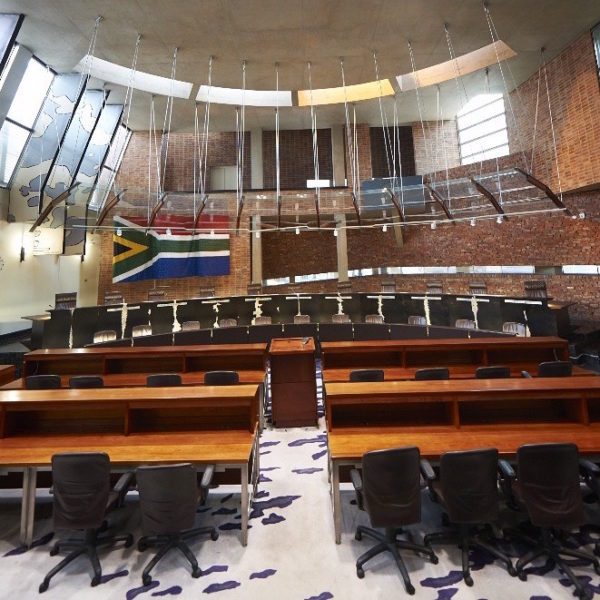
<p> The Constitution Hill Development Company was formerly owned by Blue IQ and the City of Johannesburg, 87% and 13% respectively. It is now wholly owned by the Gauteng Growth and Development Agency (GGDA). Constitution Hill (ConHill) is a site of consciousness that is dedicated to remembering our nation's history and the struggle for liberation. The site was developed to serve as a human rights precinct and world-class heritage tourist attraction that contributes to tourism growth for the province. This South African history landmark, which is also home to the highest court in the land - the Constitutional Court - is an important symbol of democracy and the protector of human rights for every South African citizen.</p><p><br>ConHill was established as a multipurpose site, which in addition to housing the Constitutional Court, plays an educational role in constitutionalism, human rights and democracy. It incorporates office space for a number of strategically selected tenants such as NGOs, Chapter Nine Organisations and organisations that are active in the human rights space.<br><br>ConHill has a variety of historical spaces that are suitable for conferencing, dramatic performance, a large array of events as well as public activities and programmes. The precinct also has three historical museums, which offer daily tours throughout the year. The museums have a history dating to 1893, when the doors to the Old Fort first opened as a prison for white men and later, briefly, as a military fort. In the early 20th century, additional sections were added to the site, includinga section for black male prisoners, known as Number Four, a Women's Jail; and an Awaiting Trial Block.<br><br>The Constitution Hill Development Company (formerly 87% owned by Blue IQ and 13% by CoJ) is now owned by the GGDA. Constitution Hill is a site of consciousness that is dedicated to remembering past struggles. It was born from the objective to create a human rights precinct in Gauteng, together with a world-class heritage tourist attraction that contributes to tourism growth for the province. This South African story landmark and home of the Law of the Constitution is an important symbol of democracy and the sanctum of the guarantor of Human Rights for every South African citizen. Constitution Hill has a number of purposes, including housing the Constitutional Court and playing an educational role in constitutionalism, human rights and democracy. It incorporates office space for a number of strategically selected tenants such as NGOs, Chapter Nine Organisations and organisations that are active in the human rights space. Constitution Hill also has a variety of multi-purpose venues that are suitable for conferencing, dramatic performance, a large array of events as well as public activities and programmes.<br><br> </p>

.ZADNA[3] (.za Domain Name Authority) is a not-for-profit company and statutory regulator and manager of .za, the Internet country code top-level domain (ccTLD) for South Africa.[4][5] It is an agency of South African government under the Department of Communications and Digital Technologies.[6][7]

The Academy of Science of South Africa (ASSAf) aspires to be the apex organisation for science and scholarship in South Africa, recognised and connected both nationally and internationally. Through its membership, which represents the collective voice of the most active scholars in all fields of scholarly enquiry, ASSAf aims to generate evidence-based solutions to national problems. The mission of the Academy is to: recognise scholarly achievement and excellence in the application of scientific thinking for the benefit of society; mobilise members to ensure that they are available to contribute their expertise in the service of society; conduct systematic and evidence-based studies on issues of national importance, producing authoritative reports that have a significant impact on policy-making; promote the development of an indigenous system of South African research publications, increasing their quality, visibility, accessibility and impact; publish science-focused periodicals that will showcase the best of southern African research to a wide national and international audience; develop productive partnerships with national, regional and international organisations with a view to building its capacity in science and its application within the National System of Innovation (NSI); create diversified sources of funding for sustainable functioning and growth of a national academy; and communicate effectively with relevant stakeholders through various media and fora.

The mission of the Accounting Standards Board (ASB) is to serve the public interest by setting standards of Generally Recognised Accounting Practice (GRAP) and providing guidance for financial and other performance information reported by the public sector. The Board has the following responsibilities: determine the work programme and approve the appointment of members of project groups; approve the standards to be issued as standards of GRAP for the preparation of annual financial statements of all spheres of government; prepare and publish directives, interpretations and guidelines concerning the standards of GRAP; recommend to the Minister of Finance effective dates for the implementation of these standards by different categories of institutions to which these standards apply; perform any other function incidental to advancing financial reporting in the public sector; and issue and publish recommended practices on its own authority, if satisfied as to need, usefulness and practicality, following a process of consultation with stakeholders.
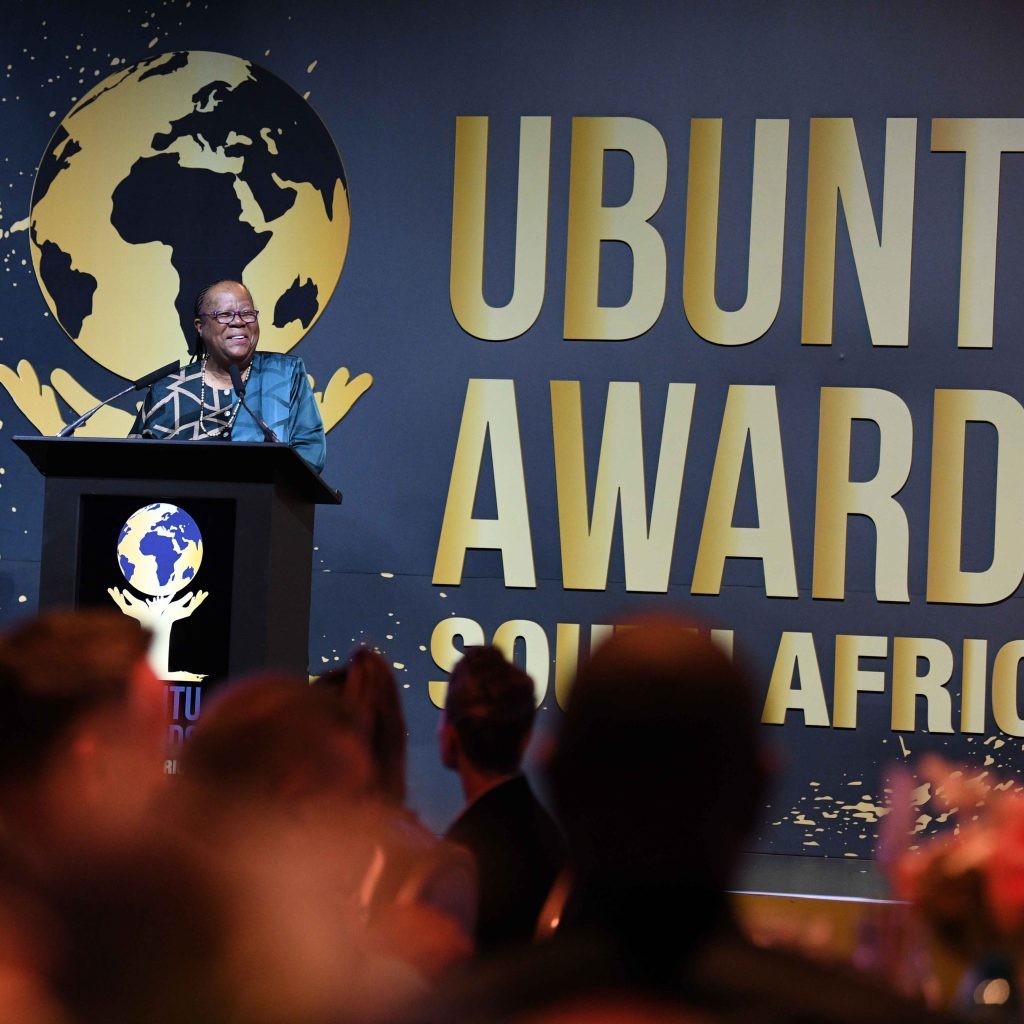
The vision of the African Renaissance and International Cooperation Fund (ARF) is a democratic, non-racial, non-sexist, conflict-free, developmental African continent. The ARF is committed to promoting South Africa's national interests and values, the African Renaissance and the creation of a better world for all. In order to ensure that funding through the ARF is effective, the ARF has adopted the values of the Paris and Rome declarations on aid effectiveness. The ARF will ensure that the following key values are adhered to: the recipient country must take ownership of the process of determining the immediate-, medium- and long-term actions that will address the issues contained in its project proposal; the recipient country must achieve an understanding of the political, economic and security considerations; and a needs assessment should be conducted with direct involvement and ownership of the process by the country concerned. Integrated planning and coordination are critical in ensuring that South Africa's efforts are in line with the development needs of the identified country. In addition to the above, the ARF will conduct its business while constantly adhering to the values of the Department of International Relations and Cooperation (DIRCO), namely: patriotism, loyalty, dedication, Ubuntu, constitutional values (Chapter 10) and Batho Pele. The aim of the African Renaissance and International Cooperation Fund is to: enhance cooperation between the Republic and other countries, in particular African countries, through the promotion of democracy, good governance, the prevention and resolution of conflict, socio-economic development and integration, humanitarian assistance and human resource development; to repeal three Acts; and to provide for matters incidental thereto.

Agrement South Africa (ASA) was established in terms of a delegation of Authority from the then Minister of Public Works in July 1969. The organisation is an entity of the National Department of Public Works and Infrastructure (NDPWI), and its mandate is within the built environment domain. As such, the legislation and mandates that impact the built environment and public works guide the functioning and operations of Agrement South Africa. The organisation is a schedule 3A public entity under the Public Finance Management Act and is established under the Agrement South Africa Act 11 of 2015. Agrement South Africa's vision is to be the leading regulator on non-standardised construction-related products and systems in South Africa. The organisation's mission is to enhance its position as an impartial and internationally acknowledged South African centre of excellence to: provide assurance to specifiers and users of the fitness-for-purpose of non-standardised construction -related products or systems; support and promote integrated socio-economic development in the Republic as it relates to the construction industry; support and promote the introduction and use of certified non-standardised construction related products or systems in the local or international market; and support policymakers to minimise the risk associated with using non-standardised construction related products or systems. The core mandate of ASA is the technical assessment and issuing of approval of certificates for non-standardised construction-related products and systems for which there are no South African National Standards. Assess and, if satisfied, certify the fitness-for-purpose of a non-standardised construction-related product or system; issue, amend, suspend, reinstate, withdraw or renew an ASA Certificate; enter into an agreement with a person, entity or organ of the State whose services are required to achieve an object or perform a function of ASA or the Board; provide services about the objects of ASA to a person, entity or organ of the State; exercise any other power as may be prescribed or necessary to achieve the objects of ASA; the recognised South African National Government Body that issues eco-labels for building materials and products; and the recognised South African National Government Body that issues Green Building Ratings for Government Buildings.

The objective of the Agricultural Produce Agents Council (APAC) is to regulate the occupations of fresh produce, export and livestock agents and to maintain and enhance the status and dignity of those occupations and the integrity of persons practicing those occupations. The Council's mission is to: fulfil its mandate under the Act; protect against dishonest practices; uphold its responsibility to maintain and enhance the occupations of fresh produce, export and livestock agents; and position the Council to effectively contribute in the development and transformation of the agricultural sector. APAC's vision is to be an innovative, supportive, proactive and responsive regulatory body.
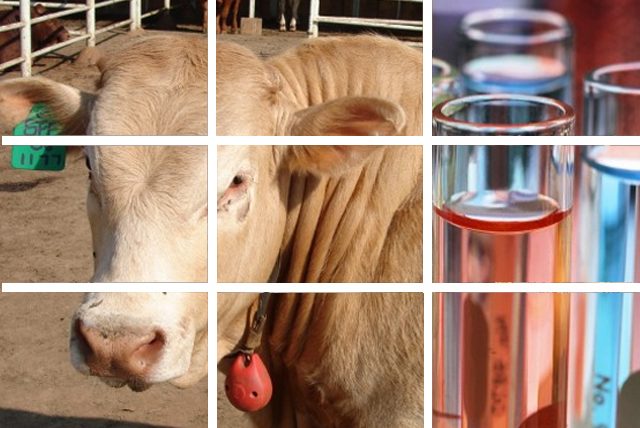
The mission of the Agricultural Research Council (ARC) is to be a premier science institution that conducts research with partners, develops human capital and fosters innovation to support and develop the agricultural sector. The ARC's main functions are to: undertake and promote research, technology development and technology transfer; utilise the technological expertise in its possession and make it generally available; publish information concerning its objectives and functions, and establish facilities for the collection and dissemination of information in connection with research and development; publish the results of research; establish and control facilities in the fields of research, technology development and technology transfer that the Council may determine from time to time; cooperate with departments of state, institutions, persons and other authorities for the promotion and conduct of research, technology development and technology transfer; promote the training of research workers by means of bursaries or grants-in-aid for research, technology development and technology transfer, and contribute financially; offer research, development and technology transfer programmes; hire or let facilities; and cooperate with persons and authorities in other countries conducting or promoting research, technology development and technology transfer in agriculture.
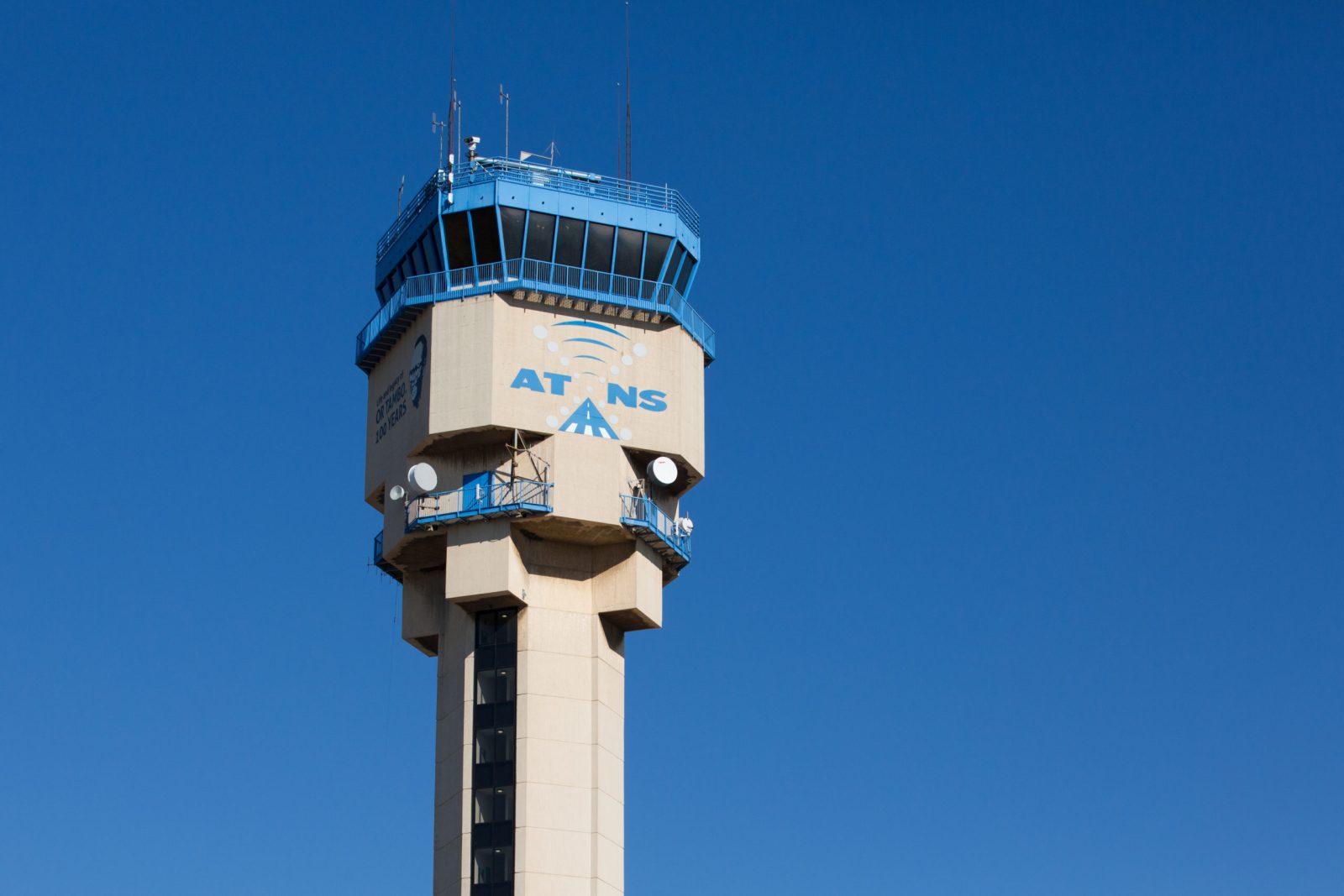
The mission of Air Traffic and Navigation Services SOC Ltd (ATNS) is to provide safe, expeditious and efficient air traffic management solutions and associated services while ensuring long-term economic, social and environmental sustainability. ATNS is responsible for air traffic control in approximately 6% of the world's airspace. Their services extend further than the familiar air traffic control service, into the provision of vitally important aeronautical information used for all flight planning purposes, as well as search and rescue coordination activities and the maintenance of a reliable navigation infrastructure. Their operations also include the supply of aeronautical information services, technical maintenance and aerodrome services; alert, search and rescue coordination services; management of the flexible use of airspace through the Central Airspace Unit (CAMU); support for special events, and special requirements such as test flights and demonstration flights; the implementation and maintenance of a terrestrial-based navigational structure; and the training of licensed air traffic controllers and technical staff through the Aviation Training Academy (ATA).

The mission of Airports Company South Africa SOC Ltd (ACSA) is to develop and manage world-class airports for the benefit of all stakeholders. The Company's strategy is built on collaborative and coherent engagements with its stakeholders. The Company focuses on strengthening its internal business processes and making the most of its bespoke information technology. ACSA directs its efforts towards improving its employees' skills and understanding as part of its effort to build human capital.
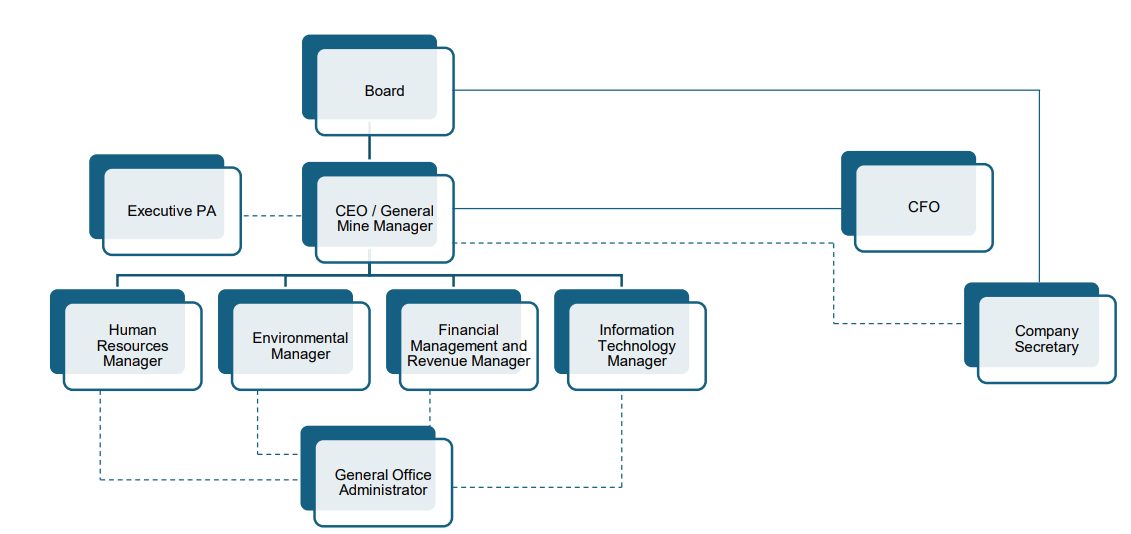
The mission of Alexkor SOC Ltd is to operate a growing, profitable and sustainable mining organisation that contributes to the developmental needs of the communities. Alexkor's objectives are: turning Alexkor around into a viable dynamic mining company; focusing on organic growth at Alexander Bay; acquisition of new opportunities; creating a sustainable, healthy, safe and environmentally responsible organisation; caring for people, providing sound leadership and building credible processes; and building strong relationships with all strategic partners.

The mission of Blind SA is to promote the interests of all blind people by: combating poverty; empowering blind people by, amongst others, the provision of Braille, the distribution of information, and the provision of other developmental services (members of member organisations of Blind SA enjoy preference); and acting as a pressure group with regard to any matter concerning blind people. Blind SA's objectives are to: focus on a specific topic and target a particular sector, over and above general awareness raising, by using its own publications, the public media, serving and networking with other organisations, participating in public forums, and making representations to government, including submissions on legislation; assist workers to sustain their jobs and to gain promotion through appropriate training and acquisition of work-related equipment and information; help blind students to obtain special equipment, study material, transport and reader services, and bursaries; make interest-free loans available from its revolving fund for the purchase of word- and study-related equipment and for household goods; produce Braille to order for schools, university students and individual adults in all the official languages of South Africa, and produce other important products, including magazines, calendars, postal code books, timetables, broadcasting and motor rally schedules, agendas, minutes, and reports; offer a Braille tutoring service; provide orientation and mobility training; provide appropriate, reliable information about the world around us by using Braille, ink print, audio tape, the Internet, the telephone and computer discs; provide Blind SA publications; provide various forms of social and cultural activity and upliftment; look after the interests of retired workers and of the large number of South Africans who lose their sight in later life; cater for the needs of elderly persons; and address all issues regarding the education of blind and partially sighted learners.

Brand South Africa is the country's official marketing agency appointed to promote the nation's brand reputation. The primary objective of Brand South Africa is to develop and implement proactive marketing and communication strategies for South Africa, with and through stakeholders, to promote South Africa's competitiveness and attractiveness to both domestic and international audiences. Its role is to create a positive, unified image of South Africa; one that builds pride, promotes investment and tourism, and helps new enterprises and job creation.

The Breede-Gouritz Catchment Management Agency (BGCMA) changed its name to the Breede-Olifants Catchment Management Agency (BOCMA). This change was formalised through an extension of the agency's boundary and area of operation, as detailed in the National Water Act. The mission of the Breede-Olifants Catchment Management Agency is to manage water resources responsibly, through continuous engagement with all stakeholders, and to devolve decision-making to the lowest level for the benefit of all water users in the Breede-Olifants Catchment, including the environment. The Agency's strategic priorities are to: ensure quality water for all people and the environment; address water allocation reform; ensure good administration of registration and licensing; inspire change in attitudes towards the environment; and promote economic growth in a sustainable way. These priorities are carried out in order to: address the developmental needs of the people and contribute to the eradication of poverty; ensure fair, equitable and well-controlled water allocation, while maintaining the integrity of the natural resource; manage the ecosystem in a sustainable manner; and allow all stakeholders a voice in how it manages our water resources.
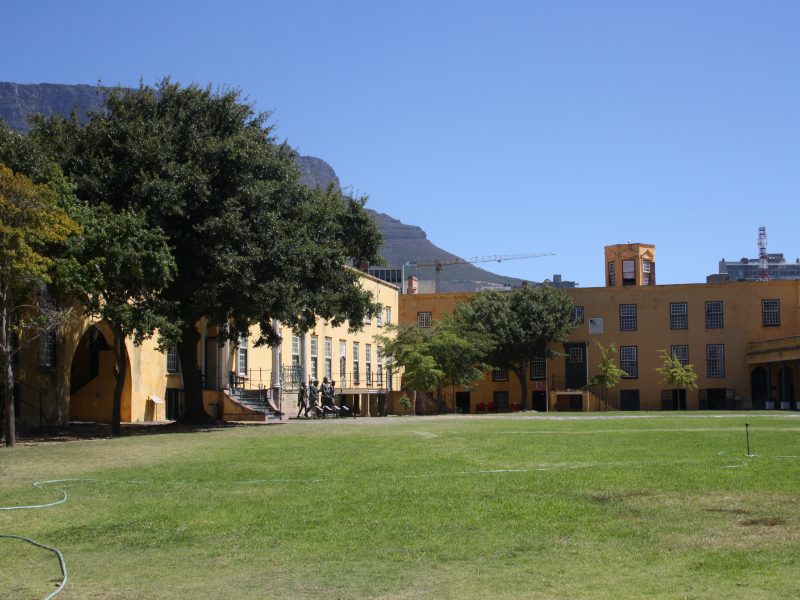
The Castle Control Board, a Schedule 3A Public Entity, is responsible for the overall management, maintenance and promotion of the Castle of Good Hope as a heritage site and tourist attraction. In terms of this legislative mandate the organisation is expected to provide a range of public services and goods on behalf of the Department of Defence and Military Veterans to local community members, tourists, learners, students, conservation agencies, exhibitors, performers, cultural organisations, traditional authorities, filming companies, event organisers, military institutions and the like. The Board's mission is to be a service-orientated public entity, striving to create an environment where national pride serves to build an internationally known and recognised cultural and heritage brand for Ubuntu, dialogue, nation-building and human rights recognition; guarantee the development of a smooth functioning, self-sustaining, 'must-see' iconic visitor and learner destination; optimise its tourism potential and accessibility to the public; and preserve and protect its cultural and military heritage by elevating it to UNESCO World Heritage status. The Board's vision is to be a globally significant, truly accessible centre that showcases South Africa's shared heritage. In its management of the Castle of Good Hope, the Castle Control Board has committed to infuse its programmatic and other corporate activities with the following core values: service quality and excellence; operate with honesty and dignity; respect for the diversity in military, cultural and social history; genuine partnerships and collaborative relationships; community engagement and inclusivity; and fiscal responsibility, accountability, transparency and sustainability.
No map locations
These listings don't have coordinates yet.
Can't find the business?
Adding a business to Insly is always free.
Get free quotes from State-owned Enterprises(SoEs)
Tell us what you need and get quotes from businesses that respond fast.
Related searches in South Africa
- Embassy in South Africa
- Libraries in South Africa
- Municipalities in South Africa
- Post Offices in South Africa
- Community Education and Training Colleges in South Africa
- SETAs in South Africa
- Constitutional Bodies in South Africa
- Parliament in South Africa
- Provincial Governement in South Africa
- Associations in South Africa
- National Departments in South Africa
Trending searches in South Africa
- Opera & Ballet in South Africa
- Donuts in South Africa
- Doctors in South Africa
- Empanadas in South Africa
- Baby Gear & Furniture in South Africa
- Behavior Analysts in South Africa
- Lawyers in South Africa
- Banks & Credit Unions in South Africa
- Flooring in South Africa
- Auto Glass Services in South Africa
- Beer, Wine & Spirits in South Africa
- Food Delivery Services in South Africa
- Ayurveda in South Africa
- Planetarium in South Africa
- Acne Treatment in South Africa
- Fire Protection Services in South Africa
- Hypnosis/Hypnotherapy in South Africa
- Commercial Truck Repair in South Africa
- Grout Services in South Africa
- Staffing Solutions in South Africa
- Dentists in South Africa
More nearby
- Music Venues in South Africa
- Accountants in South Africa
- Fireplace Services in South Africa
- Body Contouring in South Africa
- Venues & Event Spaces in South Africa
- Fashion in South Africa
- Hospitals in South Africa
- Day Spas in South Africa
- Catering Equipment in South Africa
- Country Clubs in South Africa
- Pizza in South Africa
- Insurance in South Africa
Frequently asked questions
What did people search for similar to state-owned enterprises(soes) in South Africa?
People also searched for these in South Africa:
- Embassy
- Libraries
- Municipalities
- Post Offices
- Community Education and Training Colleges
- SETAs
Browse State-owned Enterprises(SoEs) by city
Every city where we have state-owned enterprises(soes) listed, by province.