
Gauteng
58837 businesses

The Central Energy Fund (CEF) is a Schedule 2 state-owned diversified energy company reporting to the Department of Mineral and Petroleum Resources (DMPR). The mandate of the CEF is derived from the CEF Act 38 of 1977 and the ministerial directives issued thereafter. Its mandate is to contribute to the security of the energy supply of South Africa and the region through exploration, acquisition, development, marketing and strategic partnership. Established in the 1950s, the CEF has played a central role in ensuring South Africa's energy security supply and making a significant contribution to the South African economy by contributing to the security of energy supply by providing affordable, reliable, diverse use of primary energy resources, and contributing to economic development; being a strategic partner to the DMPR by providing insights in support of policy development and regulation; aligning with government's broad objectives (NDP); and acting as a vehicle for economic growth, poverty alleviation and economic transformation. The mission of the CEF is to provide and enable sustainable energy security solutions for South Africa in order to contribute to economic development and alleviate poverty in an environmentally responsible manner. The vision of the CEF is to secure reliable and affordable diversified energy security solutions for the South African economy by 2030. Overall, the CEF is responsible for the following five subsidiaries, which operate across the entire energy sector value chain, making up the CEF Group of Companies: AEMFC, which mines coal in Mpumalanga for supply to Eskom, iGAS which is a shareholder in the Mozambique-to-South Africa gas pipeline and is involved in the development of other gas delivery projects; PASA, which is the national petroleum and gas promotion and licensing agency; PetroSA, which is the largest subsidiary in the Group, operates a gas-to-liquids refinery that uses indigenous gas as feedstock, and is also a partner in a producing oil field in Ghana; and SFF, which manages strategic crude oil infrastructure, strategic crude oil stocks, and provides oil pollution control services in Saldanha Bay. Renewable energy activities of the holding company are managed through the Energy Projects Division. These include the identification of new joint venture investments in renewable and clean energy projects, and the management of existing joint ventures with other parties. CEF also manages the Equalisation Fund on behalf of government.

The Centre for Public Service Innovation (CPSI) is mandated to develop innovative, sustainable and responsive models for improved service delivery. The work of the CPSI is guided by an understanding of innovation in a public sector context as 'the creation and implementation of new and service delivery solutions (systems, processes, methods, models, products and services) resulting in significant improvements in outcomes, efficiency, effectiveness and quality'. The CPSI facilitates unearthing, development and implementation of innovative ideas within and throughout the public service. It achieves this by facilitating pilot projects aimed at demonstrating the value of innovative solutions, and through activities that create an enabling environment within the public sector to support and sustain innovation. The CPSI's cross-sector reach makes it a resource for the whole of government, thus bridging institutional boundaries. Through active research and knowledge sharing platforms and products, the CPSI identifies and shares lessons and information on innovation trends nationally, across Africa and internationally. The CPSI partners with a range of individuals and institutions in government, business and the community in exciting and mutually beneficial ways. This partnership model allows us to leverage financial and/or intellectual capital in support of government priorities.
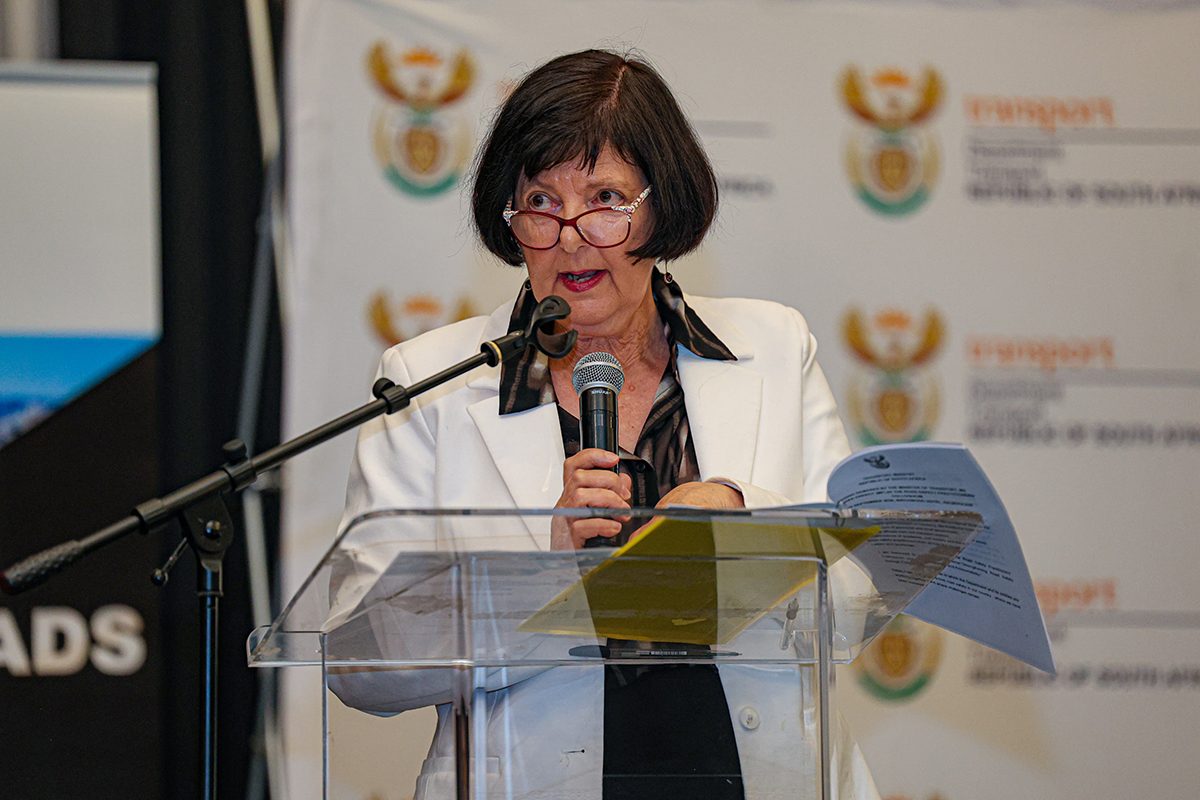
The mission of the Department of Transport (DOT) is to lead the development of integrated efficient transport systems by creating a framework of sustainable policies, regulations and implementable models to support government strategies for economic, social and international development. The objectives that the Department aims to achieve by providing policy framework, regulation and implementation models are: competitive transport costs; safety and security improvements; a reduction in infrastructure backlogs; improvement in access; and a reduction of time in transit.

The mission of the Department of Trade, Industry and Competition (the dtic) is to promote structural transformation, towards a dynamic industrial and globally competitive economy; provide a predictable, competitive, equitable and socially responsible environment conducive to investment, trade and enterprise development; broaden participation in the economy to strengthen economic development; and continually improve the skills and capabilities of the dtic to effectively deliver on its mandate and respond to the needs of South Africa's economic citizens. The department's strategic objectives are to facilitate transformation of the economy to promote industrial development, investment, competitiveness and employment creation; build mutually beneficial regional and global relations to advance South Africa's trade, industrial policy and economic development objectives; facilitate broad-based economic participation through targeted interventions to achieve more inclusive growth; create a fair regulatory environment that enables investment, trade and enterprise development in an equitable and socially responsible manner; and promote a professional, ethical, dynamic, competitive and customer-focused working environment that ensures effective and efficient service delivery.

The Department of Tourism is mandated under the Tourism Act 3 of 2014 to: promote the practise of responsible tourism for the benefit of the country and for the enjoyment of all its residents and foreign visitors; provide for the effective domestic and international marketing of South Africa as a tourist destination; promote quality tourism products and services; promote growth in and development of the tourism sector; and enhance cooperation and coordination between all spheres of government in developing and managing tourism. The National Development Plan (NDP) is the 2030 vision for the country. It recognises tourism as one of the main drivers of employment and economic growth. Tourism is also positioned as one of the six core pillars of growth in the country's New Growth Path (NGP) framework. The National Tourism Sector Strategy (NTSS) provides a blueprint for the tourism sector in the pursuit of growth targets contained in the NGP. Through the Department's NTSS, the tourism sector is committed to creating a total of 225 000 jobs by the year 2020. The Department's objectives include ensuring that benefits of tourism are equitably shared amongst the people of South Africa, and planning for the empowerment of youth, women, and people with disabilities through entrepreneurial participation and opportunities. The Department's focus is on increasing competitiveness within the tourism sector in South Africa. In the medium term, the Department aims to increase investment in the tourism sector, increase inbound tourism, entrench a culture of tourism amongst South Africans, and increase the sector's contribution to job creation and economic growth.

The Community Schemes Ombud Service (CSOS) was established in terms of the Community Schemes Service Act 9 of 2011 to regulate the conduct of parties within community schemes and to ensure their good governance. Community Schemes are defined in the CSOS Act as "living arrangements where there is shared use of and responsibility for land/buildings such as sectional title, homeowners' associations, retirement housing schemes, share block companies and housing cooperativesâ€. The mandate of the CSOS is to: regulate, monitor and quality assure scheme governance documentation; develop and provide a dispute resolution service; provide training for conciliators, adjudicators and other employees of the CSOS; and take custody of, preserve and provide public access electronically or by other means to scheme governance documentation.
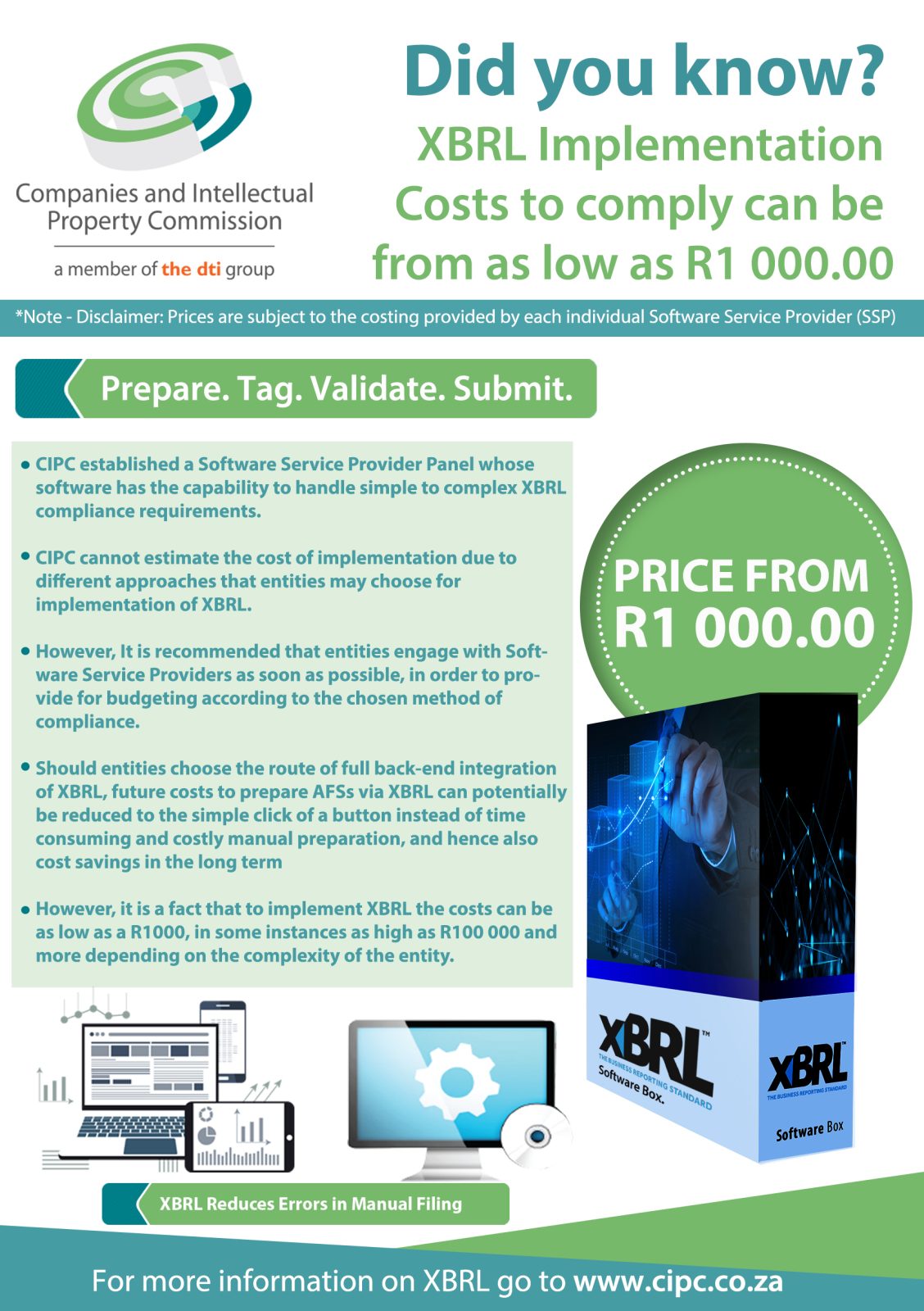
Since its inception in May 2011, the Companies and Intellectual Property Commission (CIPC) has been undergoing a sustained and rapid transformation in order to improve its service delivery and to contribute meaningfully to South Africa's developmental and economic needs. CIPC has come a long way from being an administrative organisation with little or no regulatory focus; an almost exclusively manual, paper-based process, resulting in capturing errors and lost documents; and plagued by outdated and unrealiable ICT infrastructure and ICT governance. Great strides have been made with the mordernisation of the organisation through the upgrading of its ICT infrastructure and the introduction of new and improved online services for company registration, name reservations, annual returns, director and member changes, financial year-end changes, address changes, and trademark, patent, design and copyright in film applications. CIPC plans to digitise all its business processes to ensure ease, speed of transacting and availability anywhere in the world, 24/7. Self-service terminals (SSTs) were introduced in Pretoria, Johannesburg and Cape Town, offering an opportunity for service delivery as they provide automated services that are linked to biometric verification of transacting parties. In 2014, an office providing a dedicated service to listed companies was established. CIPC has continued collaboration efforts with major banks such as FNB, ABSA and STD bank, key partners such as SARS, TRANSNET and DHA, to provide more integrated services and an increase in the choice of channels for improving the ease of doing business. CIPC is also honoured to host a One-Stop-Investment Centre for foreign nationals as a collaboration partner of InvestSA.

The mission of the Companies Tribunal is to adjudicate applications made in terms of Section 195 of the Companies Act (2008) and make orders in respect of such applications, and to facilitate the resolution of companies disputes through conciliation, mediation and arbitration. The Tribunal's mandate is to: adjudicate in relation to any application that may be made to it in terms of the Act and make any order provided for in the Act in respect of any such application; assist in the resolution of disputes; and perform any other function assigned to it by or in terms of the Act.

The University of the Witwatersrand (Wits University), commonly known as Wits, is a public research university located in Johannesburg, South Africa. It is renowned for its academic and research excellence, with a strong commitment to social justice and public good. Wits is structured into five faculties, comprising 34 schools, and has a large student population, exceeding 41,000.

The mission of the Compensation Fund is to provide efficient, quality, client-centric and accessible Compensation for Occupational Injuries and Diseases (COID) services; sustain financial viability; and be an organisation that takes care of the needs of its staff to ensure effective service delivery. The Fund's strategic objectives are to provide effective and efficient client-orientated support services; and faster, reliable and accessible COID services by 2020.

The Competition Commission is empowered by the Competition Act to investigate, control and evaluate restrictive business practices, abuse of dominant positions and mergers in order to achieve equity and efficiency in the South African economy. Its purpose is to promote and maintain competition in South Africa in order to: promote the efficiency, adaptability and development of the economy; provide consumers with competitive prices and product choices; promote employment and advance the social and economic welfare of South Africans; expand opportunities for South African participation in world markets and recognise the role of foreign competition in the country; ensure that small- and medium-sized enterprises have an equitable opportunity to participate in the economy; and promote a greater spread of ownership, in particular to increase the ownership stakes of historically disadvantaged persons. To achieve its purpose, the Commission's core functions are the following: implement measures to increase market transparency; implement measures to develop public awareness of the provisions of the Act; investigate and evaluate alleged anti-competitive conduct; conduct formal inquiry in respect of the general state of competition in a market; grant or refuse applications for exemption from the application of the Act; authorise, with or without conditions, prohibit or refer mergers of which it receives notice; negotiate and conclude consent orders; refer matters to the Competition Tribunal of South Africa (the Tribunal) and appear before the Tribunal when required; negotiate agreements with any regulatory authority to coordinate and harmonise the exercise of jurisdiction over competition matters within the relevant industry or sector, and ensure the consistent application of the principles of the Act; participate in the proceedings of any regulatory authority; advise and receive advice from any regulatory authority; review legislation and public regulations, and report to the Minister concerning any provision that permits uncompetitive behaviour; and deal with any other matter referred to it by the Tribunal.

The mission of the Department of Public Service and Administration (DPSA) is to establish norms and standards to ensure that the state machinery functions optimally, and that such norms and standards are adhered to; implement interventions to maintain a compliant and functioning public service; promote an ethical public service through programmes, systems, frameworks and structures that detect, prevent and combat corruption; and contribute towards improved public administration in Africa and internationally through dialogue and sharing of best practices. The Department is required to facilitate and support efforts that seek to, among others, improve service delivery quality and access; human resource management and development; business processes; systems and accountability management; anti-corruption and integrity; and effective public participation.
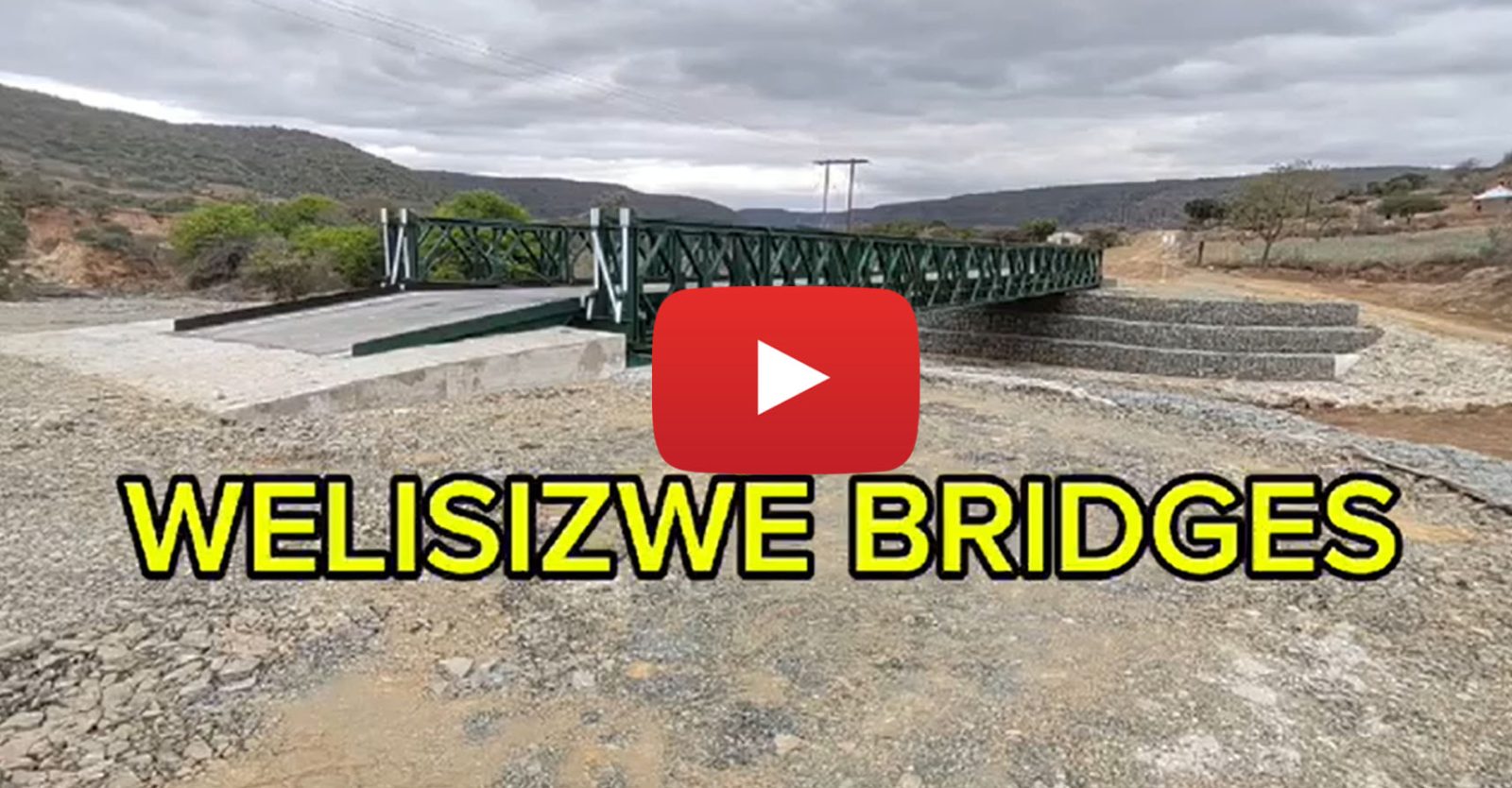
The Department of Public Works and Infrastructure is committed to the attainment of a transformed built environment sector by: providing strategic leadership to the South African construction and property industries; establishing and ensuring compliance to policy and legislative prescripts for the management of state-owned and leased-in immovable assets, and South African construction and property sectors; providing strategic direction on the integration of public works priorities; and contributing to the national goals of job creation and poverty alleviation through Public Works Programmes. The Property Management Trading Entity, within the Department of Public Works ensures the effective management of the state's immovable assets to contribute towards economic and social development and transformation of the built environment.

The Department of Science, Technology and Innovation (DSI) seeks to boost socio-economic development in South Africa through research and innovation. To achieve its goals, the Department provides leadership, an enabling environment and resources for science, technology and innovation. Through its programmes (administration, technology innovation, international cooperation and resources, research development and support, and socio-economic innovation partnerships) and several entities that work alongside it, the Department is accomplishing groundbreaking science and enhancing the well-being of all South Africans. The Department was renamed from the Department of Science and Innovation to the Department of Science, Technology and Innovation on 27 September 2024.
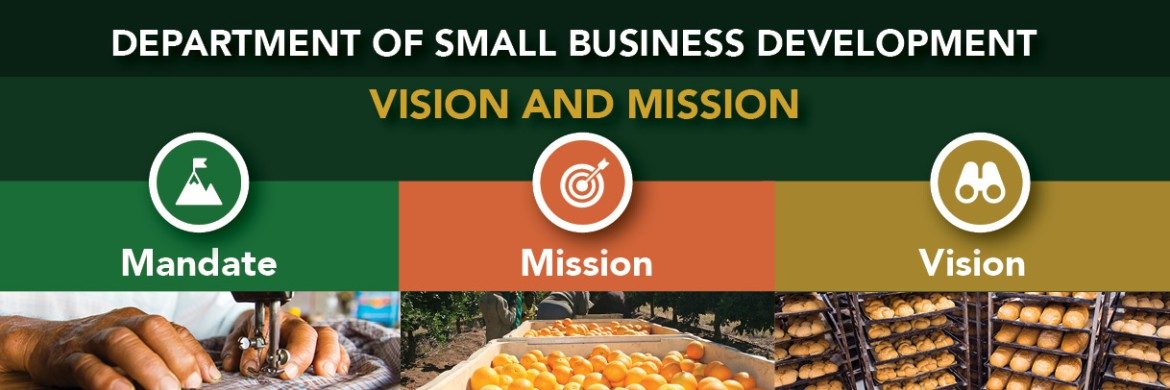
The mission of the Department of Small Business Development is to focus on enhanced support to small business and cooperatives, with an emphasis on programmes to advance entrepreneurship amongst women, the youth, and people with disabilities to contribute to job creation and economic growth. The Department's objectives are to: facilitate the development and growth of small businesses and cooperatives to contribute to inclusive and shared economic growth and job creation through public and private sector procurement; facilitate partnerships with all spheres of government as well as the private sector to ensure mutual cooperation that will benefit small businesses and cooperatives; advocate for a conducive regulatory environment for small businesses and cooperatives to enable access to finance, investment, trade equitable and market access in an and sustainable manner; and facilitate radical economic transformation through increased participation of small businesses and cooperatives in the mainstream economy.
Map View
15 locations