
National Departments
55 results
Get quotes from multiple providers
Describe your job once and compare quotes from National Departments providers — no payment now.
Position or level of authority within an organisation. It refers to management's hierarchical structure, in which different levels of authority and accountability are represented by distinct echelons.

The vision of the Department of Basic Education (DBE) is of a South Africa in which all people have access to lifelong learning, as well as education and training, which will, in turn, contribute towards improving quality of life and building a peaceful, prosperous and democratic South Africa. The Department's strategic goals are: effective and efficient governance and management; effective development, monitoring of curriculum implementation and support; improved teacher supply, development and utilisation; effective systems for planning, coordination, information management, assessment and district support; and improved social cohesion in schools and well-being of learners.
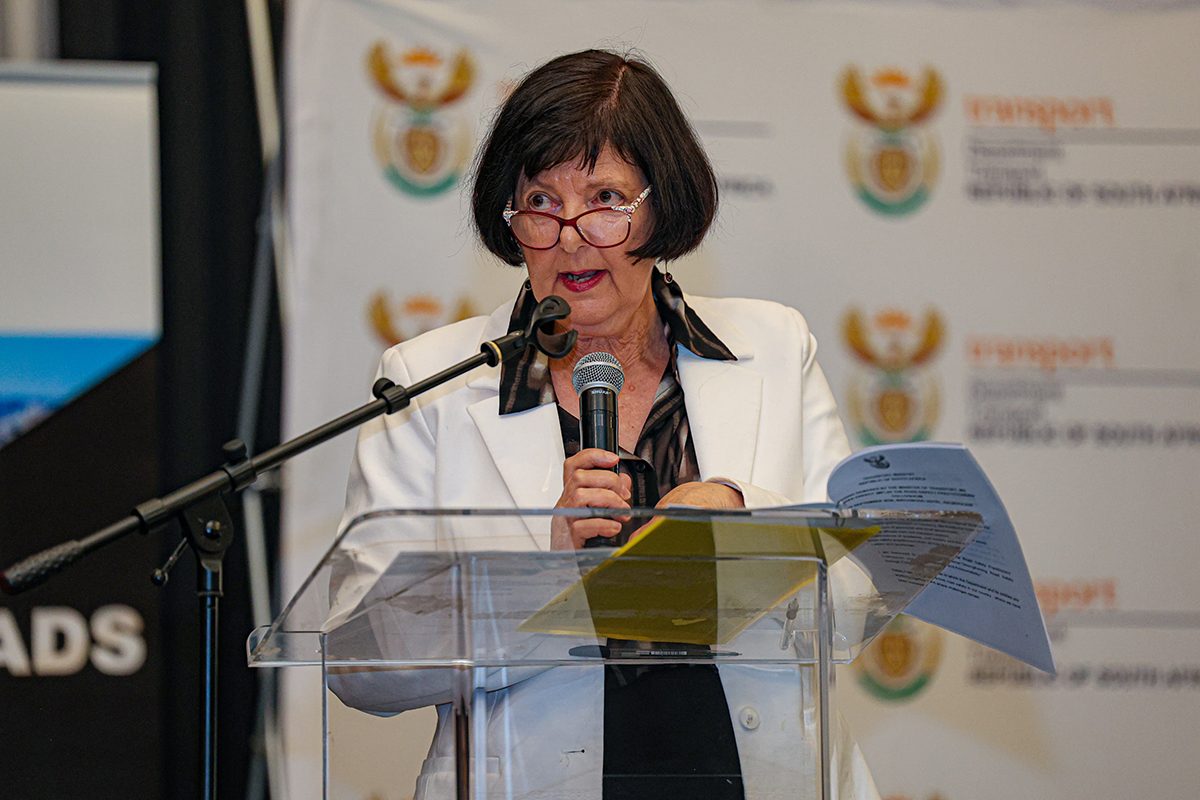
The mission of the Department of Transport (DOT) is to lead the development of integrated efficient transport systems by creating a framework of sustainable policies, regulations and implementable models to support government strategies for economic, social and internation..

The mission of the Department of Employment and Labour is to regulate the South African labour market for a sustainable economy through: appropriate legislation and regulations; inspection, compliance monitoring and enforcement; protection of human rights; provision of employment services; promotion of equity; social and income protection; and social dialogue. The Department plays a significant role in reducing unemployment, poverty and inequality through a set of policies and programmes developed in consultation with social partners, which are aimed at: improved economic efficiency and productivity; employment creation; sound labour relations; eliminating inequality and discrimination in the workplace; and alleviating poverty in employment.
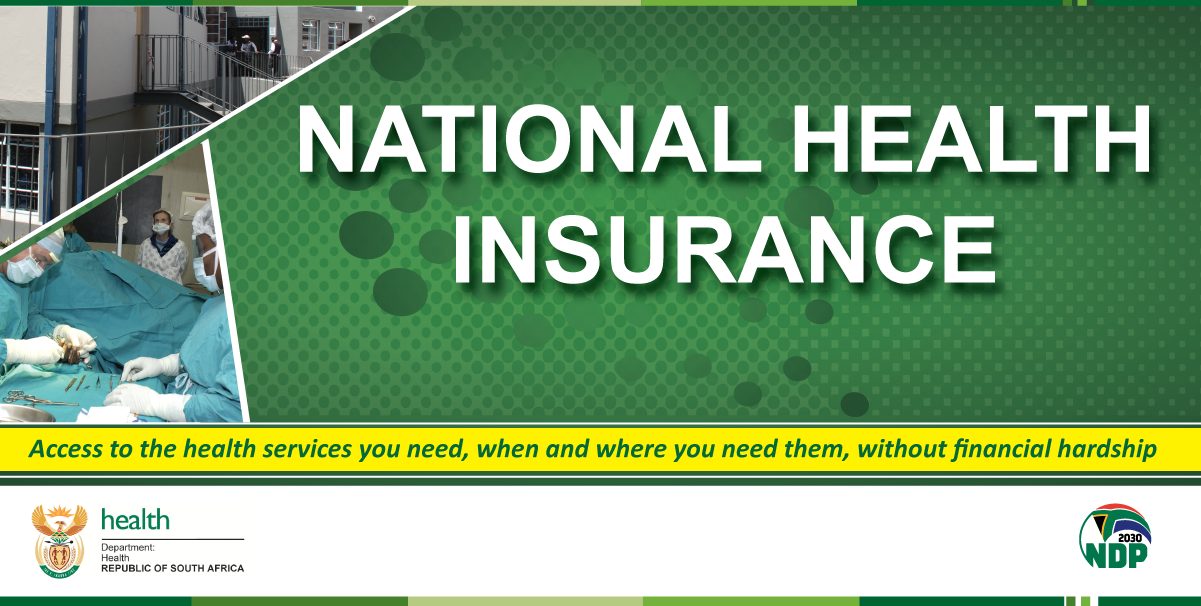
The mission of the National Department of Health is to improve health status through the prevention of illness, disease and the promotion of healthy lifestyles, and to consistently improve the health care delivery system by focusing on access, equity, efficiency, quality and sustainability. The National Development Plan (NDP) sets out nine long-term health goals for South Africa. Five of these goals relate to improving the health and well-being of the population, and the other four deal with aspects of health systems strengthening. By 2030, South Africa should have: raised the life expectancy of South Africans to at least 70 years; progressively improved TB prevention and cure; reduced maternal, infant and child mortality; significantly reduced the prevalence of non-communicable diseases; reduced injury, accidents and violence by 50% from 2010 levels; complete health system reforms; primary health care teams to provide care to families and communities; universal health care coverage; filled posts with skilled, committed and competent individuals.
The vision of the Department of Higher Education and Training (DHET) is of a South Africa in which we have a differentiated and fully-inclusive post-school system that allows South Africans to access relevant post-school education and training, in order to fulfill the economic and social goals of participation in an inclusive economy and society. The Department's mission is to develop capable, well-educated and skilled citizens who are able to compete in a sustainable, diversified and knowledge-intensive international economy, which meets the development goals of the country. The Department will undertake this mission by: reducing skills bottlenecks, especially in priority skills areas; improving participation rates in the system; correcting distributions in the shape, size and distribution of access to post-school education and training; and improving the quality and efficiency in the system, its subsystems and institutions.

The mission of the Department of Home Affairs is the efficient determination and safeguarding of the identity and status of citizens and the regulation of immigration to ensure security, promote development and fulfil our international obligations. The Department's strategic outcome-orientated goals are to: establish a Border Management Agency and build a comprehensive, secure National Identity System, which will contribute significantly to reducing fraud and preventing identity theft; facilitate the importation of skills that are critical to ensuring economic growth and the creation of jobs; and provide an efficient, effective and development-orientated public service by being the custodian of the identity and status of citizens.
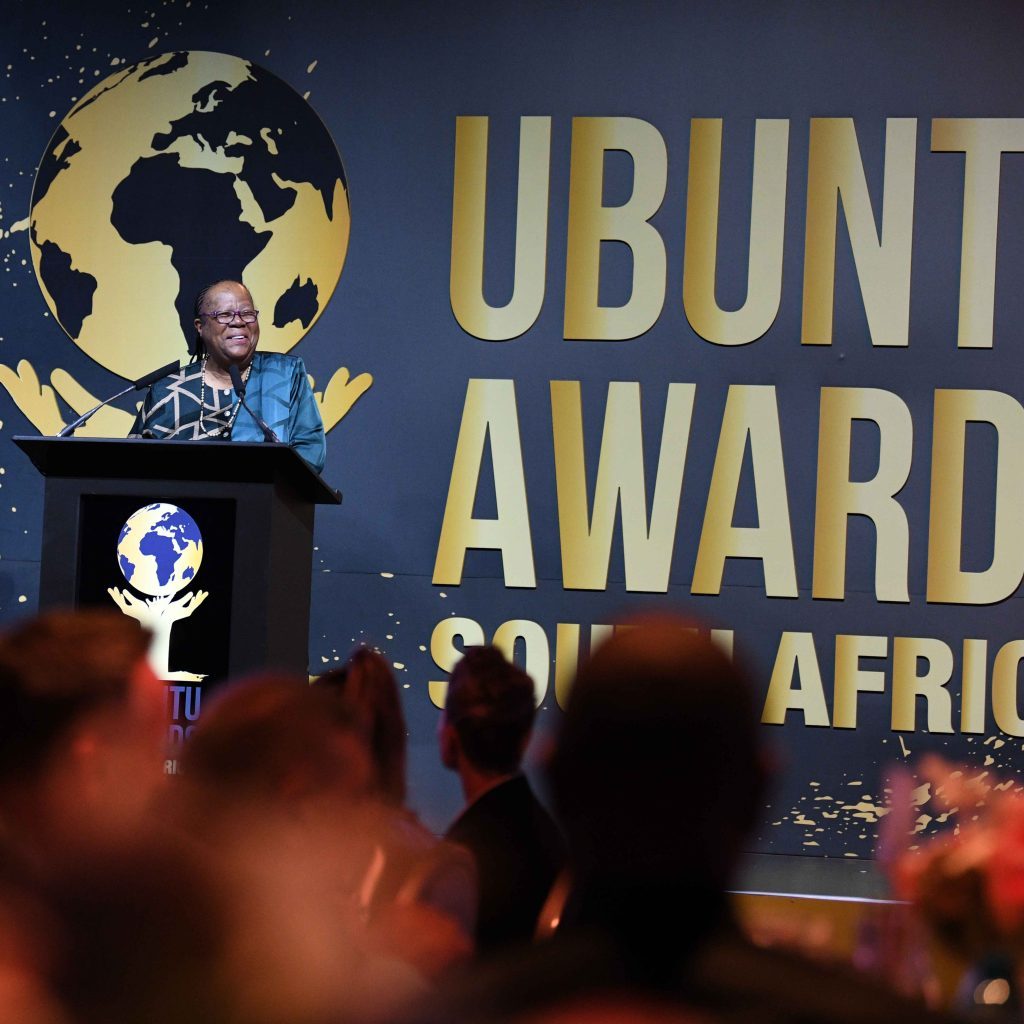
The mission of the Department of International Relations and Cooperation (DIRCO) is to promote South Africa's national interests and values, the African Renaissance and the creation of a better world for all. The Department's strategic objectives are to: protect and promote South African national interests and values through bilateral and multilateral interactions; conduct and coordinate South Africa's international relations and promote its foreign policy objectives; monitor international developments and advise government on foreign policy and related domestic matters; protect South Africa's sovereignty and territorial integrity; contribute to the formulation of international law and enhance respect for the provisions thereof; promote multilateralism to secure a rules-based international system; maintain a modern, effective and excellence-driven department; provide consular services to South African nationals abroad; and provide a world-class and uniquely South African State Protocol service.

The vision of the Department of Justice and Constitutional Development (DoJ&CD) is to ensure an accessible justice system in a vibrant and evolving constitutional democracy. The Department's main strategic goals are to: enhance organisational performance on all aspects of administration in line with set standards, meeting and exceeding the needs and aspirations of key stakeholders, facilitate the (effective and efficient) resolution of criminal, civil, and family law disputes by providing accessible, efficient and quality administrative support to the courts; and effectively and cost-efficiently provide state legal services that anticipate, meet and exceed stakeholder needs and expectations.
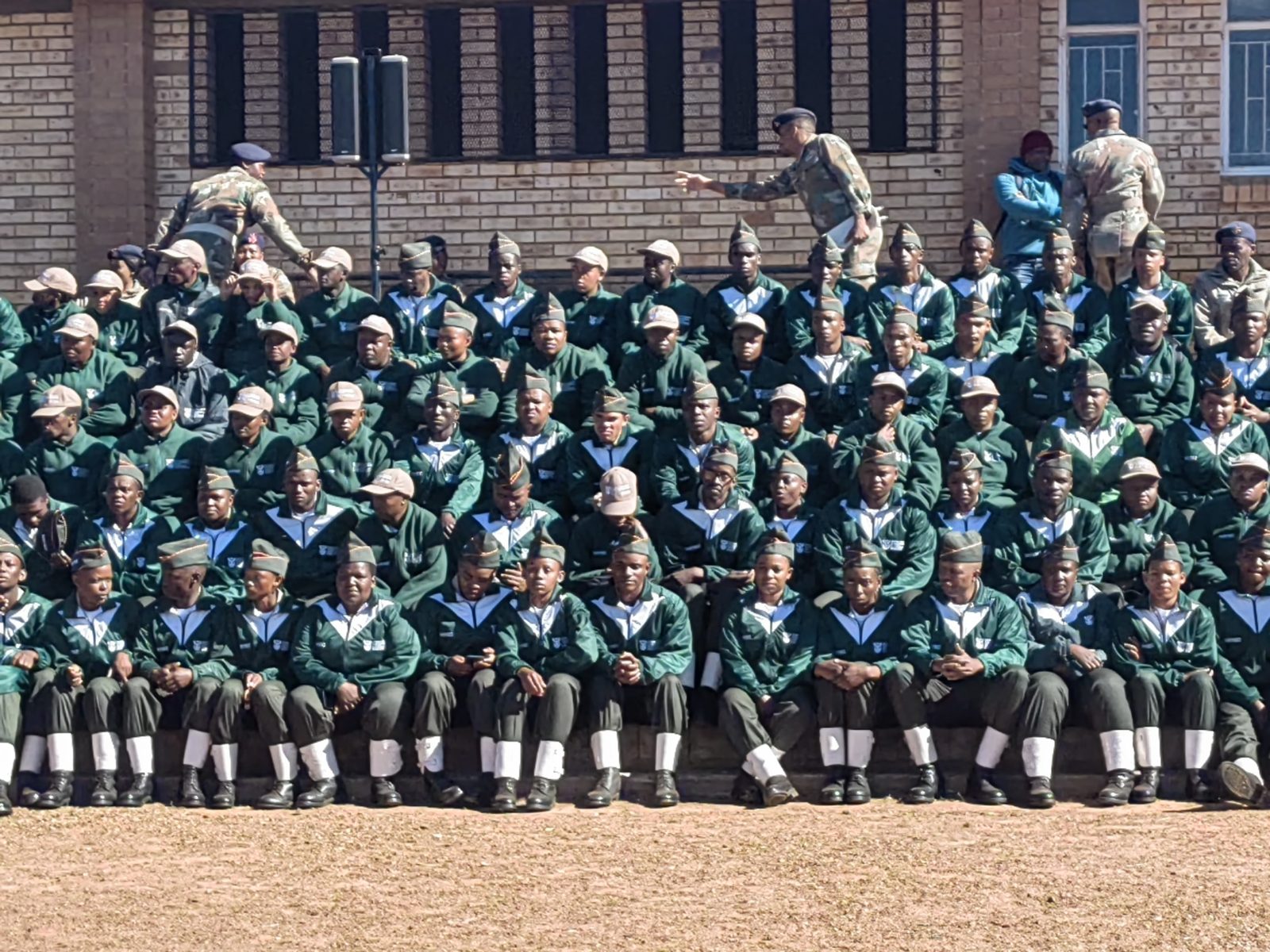
The vision of the Department of Land Reform and Rural Development (DLRRD) is to have equitable access to land and integrated rural development. Its mission is to accelerate land reform and catalyse rural development to stimulate economic development through transformed land ownership patterns; agrarian reform; implementation of an effective land administration system; promotion of access to opportunities for youth, women and other vulnerable groups; and integrated rural development.
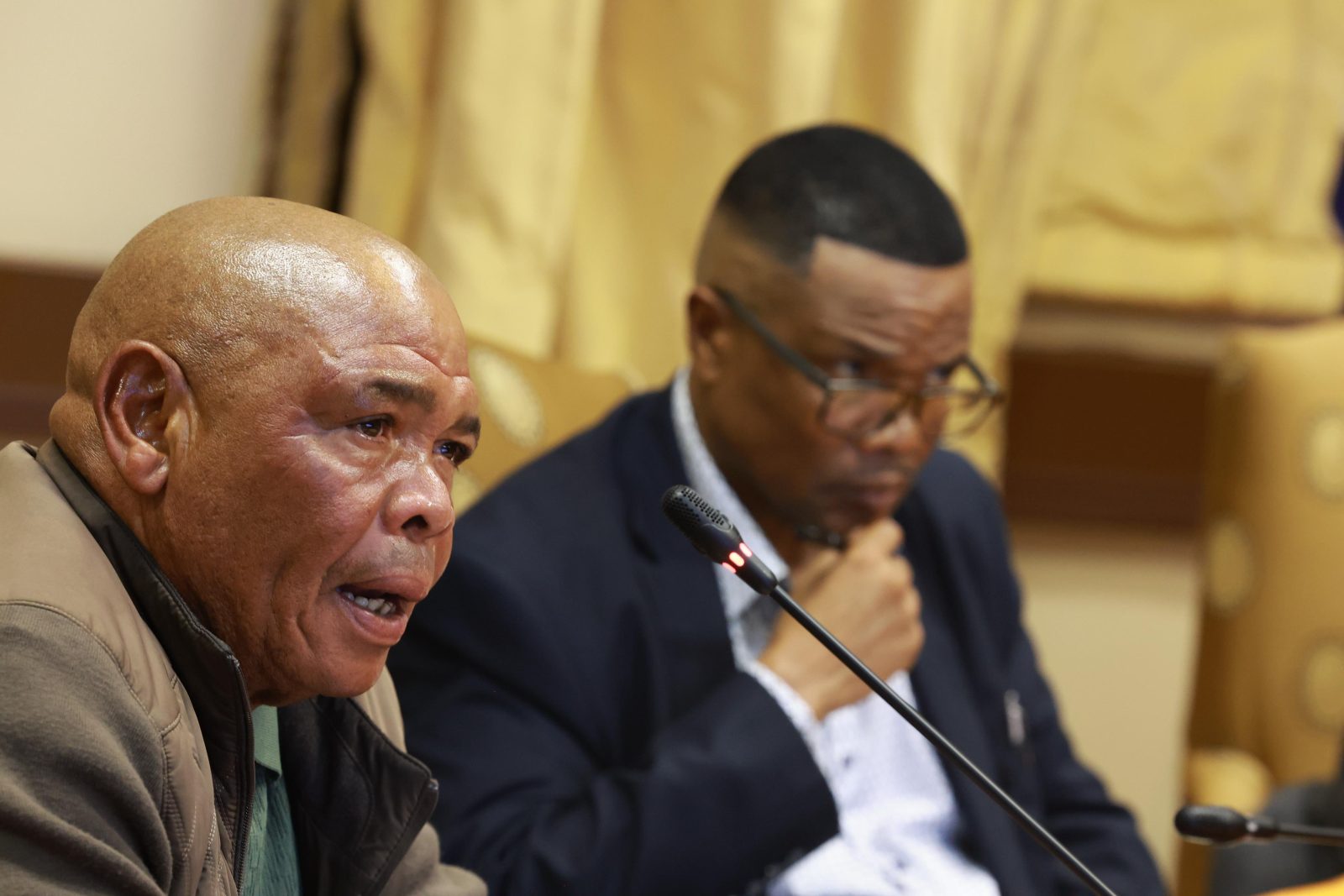
The mission of the Department of Military Veterans is to facilitate delivery and coordinate all activities that recognise and entrench the restoration of dignity and appreciation of the contribution of military veterans to our freedom and nation-building. The Military Veterans Act aims to: establish a framework for the implementation of the national policy and standards governing military veterans' affairs; improve the quality of life of military veterans and their dependants so they may realise their socio-economic progress; and recognise and honour military veterans in life and remember them in death for their sacrifices on behalf of the nation. The Act places an obligation for the state to roll out the following proposed services and benefits to the military veterans and their dependents: military pension; housing; free access to military health services; free/subsidised access to public transport; skills acquisition and education support; job placement; burial support; entrepreneurial support services; and counselling. All the proposed benefits are accessed through a means test. In other words, each individual application is evaluated on a needs assessment and case-by-case basis.

The mission of the Office of the Chief Justice (OCJ) is to provide support to the Judiciary to ensure effective and efficient court administration services. The mandate of the OCJ is to provide effective administrative and technical support to the Chief Justice as the Head of the Judiciary and as Head of the Constitutional Court as well as to render administrative, operational and governance support to the Judiciary.

The National Treasury is responsible for managing South Africa's national government finances. Supporting efficient and sustainable public financial management is fundamental to the promotion of economic development, good governance, social progress and a rising standard of living for all South Africans. The Constitution of the Republic (Chapter 13) mandates the National Treasury to ensure transparency, accountability and sound financial controls in the management of public finances. The National Treasury's legislative mandate is also described in the Public Finance Management Act (Chapter 2). The National Treasury is mandated to promote government's fiscal policy framework; to coordinate macroeconomic policy and intergovernmental financial relations; to manage the budget preparation process; to facilitate the Division of Revenue Act, which provides for an equitable distribution of nationally raised revenue between national, provincial and local government; and to monitor the implementation of provincial budgets. As mandated by the executive and Parliament, the National Treasury will continue to support the optimal allocation and utilisation of financial resources in all spheres of government to reduce poverty and vulnerability among South Africa's most marginalised.

The National School of Government (NSG) has a constitutional and legislative mandate to provide Education, Training and Development (ETD) in the three spheres of government, state-owned entities (SOEs) and organs of state. This mandate is in line with Section 195 of the Constitution of the Republic of South Africa, 1996, which declares public administration to be development-oriented and participatory, and the basic values and principles being the basis of interaction between public administration (three spheres of government, organs of state, public enterprises) and society. This is achieved through integrated and collaborative network of training institutions and practitioners, including independent individual contractors, onboard trainers, higher education institutions and private entities, providing the public service with affordable access to quality training opportunities. The NSG also has collaborated with different international partners on board that assist with delivery of programmes at an international level. In terms of current legislative arrangements, government departments must annually budget one per cent of the employee compensation budget for training of its employees. The responsibility for training employees is vested with departmental accounting officers (Public Service Act) and is undertaken primarily through competitive procurement processes. The NSG is required to generate revenue towards ensuring its financial viability and sustainability and, as such the NSG is placed on a competitive and cost-recovery footing, together with internal and external training providers. The cost recovery model is made up of partial funding appropriated by Parliament and income derived from cost recovery through training course fees, which is managed in the Training Trading Account (TTA). The cost recovery model requires that all costs associated with the design and development of learning material and implementation of training courses from the training fees are recovered. The ETD interventions are delivered to public representatives and public servants and are clustered in accordance with the following occupational bands: I. Cadet and Foundational Management: Providing ETD interventions to graduates who wish to join the public service, public service interns and public servants up to occupational level 8 (support staff, administrators and supervisors. II. Middle Management Development: Providing ETD interventions for junior and middle managers with emphasis on occupational skills (know how), supply chain management, budgeting, supervisory skills and pathways to (further) qualifications. III. Senior Management Development and Professionalisation: Providing ETD interventions to senior managers. These include analytical skills, problem solving as well managing money and people. This is in addition to the core competencies (expertise) required to perform as a professional public servant.

The National School of Government (NSG) has a constitutional and legislative mandate to provide Education, Training and Development (ETD) in the three spheres of government, state-owned entities (SOEs) and organs of state. This mandate is in line with Section 195 of the Constitution of the Republic of South Africa, 1996, which declares public administration to be development-oriented and participatory, and the basic values and principles being the basis of interaction between public administration (three spheres of government, organs of state, public enterprises) and society. This is achieved through integrated and collaborative network of training institutions and practitioners, including independent individual contractors, onboard trainers, higher education institutions and private entities, providing the public service with affordable access to quality training opportunities. The NSG also has collaborated with different international partners on board that assist with delivery of programmes at an international level. In terms of current legislative arrangements, government departments must annually budget one per cent of the employee compensation budget for training of its employees. The responsibility for training employees is vested with departmental accounting officers (Public Service Act) and is undertaken primarily through competitive procurement processes. The NSG is required to generate revenue towards ensuring its financial viability and sustainability and, as such the NSG is placed on a competitive and cost-recovery footing, together with internal and external training providers. The cost recovery model is made up of partial funding appropriated by Parliament and income derived from cost recovery through training course fees, which is managed in the Training Trading Account (TTA). The cost recovery model requires that all costs associated with the design and development of learning material and implementation of training courses from the training fees are recovered. The ETD interventions are delivered to public representatives and public servants and are clustered in accordance with the following occupational bands: I. Cadet and Foundational Management: Providing ETD interventions to graduates who wish to join the public service, public service interns and public servants up to occupational level 8 (support staff, administrators and supervisors. II. Middle Management Development: Providing ETD interventions for junior and middle managers with emphasis on occupational skills (know how), supply chain management, budgeting, supervisory skills and pathways to (further) qualifications. III. Senior Management Development and Professionalisation: Providing ETD interventions to senior managers. These include analytical skills, problem solving as well managing money and people. This is in addition to the core competencies (expertise) required to perform as a professional public servant.
No map locations
These listings don't have coordinates yet.
Can't find the business?
Adding a business to Insly is always free.
Get free quotes from National Departments
Tell us what you need and get quotes from businesses that respond fast.
Related searches in South Africa
- Embassy in South Africa
- Libraries in South Africa
- Municipalities in South Africa
- Post Offices in South Africa
- Community Education and Training Colleges in South Africa
- SETAs in South Africa
- State-owned Enterprises(SoEs) in South Africa
- Constitutional Bodies in South Africa
- Parliament in South Africa
- Provincial Governement in South Africa
- Associations in South Africa
Trending searches in South Africa
- Opera & Ballet in South Africa
- Donuts in South Africa
- Doctors in South Africa
- Empanadas in South Africa
- Baby Gear & Furniture in South Africa
- Behavior Analysts in South Africa
- Lawyers in South Africa
- Banks & Credit Unions in South Africa
- Flooring in South Africa
- Auto Glass Services in South Africa
- Beer, Wine & Spirits in South Africa
- Food Delivery Services in South Africa
- Ayurveda in South Africa
- Planetarium in South Africa
- Acne Treatment in South Africa
- Fire Protection Services in South Africa
- Hypnosis/Hypnotherapy in South Africa
- Commercial Truck Repair in South Africa
- Grout Services in South Africa
- Staffing Solutions in South Africa
- Dentists in South Africa
More nearby
- Music Venues in South Africa
- Accountants in South Africa
- Fireplace Services in South Africa
- Body Contouring in South Africa
- Venues & Event Spaces in South Africa
- Fashion in South Africa
- Hospitals in South Africa
- Day Spas in South Africa
- Catering Equipment in South Africa
- Country Clubs in South Africa
- Pizza in South Africa
- Insurance in South Africa
Frequently asked questions
What did people search for similar to national departments in South Africa?
People also searched for these in South Africa:
- Embassy
- Libraries
- Municipalities
- Post Offices
- Community Education and Training Colleges
- SETAs
Browse National Departments by city
Every city where we have national departments listed, by province.