
State-owned Enterprises(SoEs) in Johannesburg
21 results
Get quotes from multiple providers
Describe your job once and compare quotes from State-owned Enterprises(SoEs) providers — no payment now.
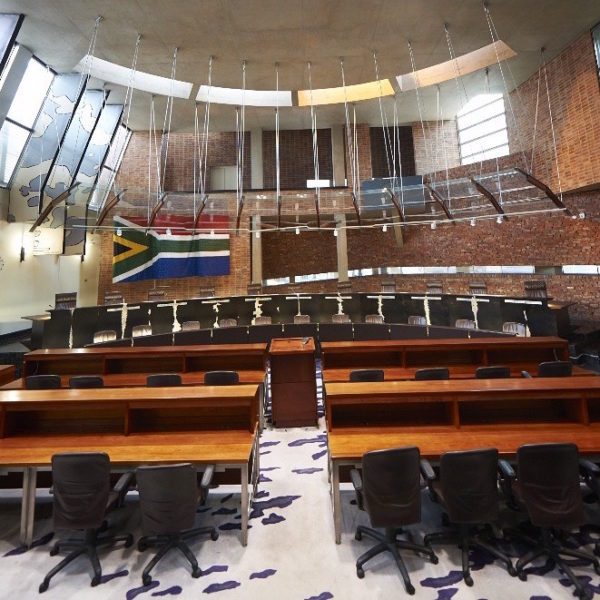
<p> The Constitution Hill Development Company was formerly owned by Blue IQ and the City of Johannesburg, 87% and 13% respectively. It is now wholly owned by the Gauteng Growth and Development Agency (GGDA). Constitution Hill (ConHill) is a site of consciousness that is dedicated to remembering our nation's history and the struggle for liberation. The site was developed to serve as a human rights precinct and world-class heritage tourist attraction that contributes to tourism growth for the province. This South African history landmark, which is also home to the highest court in the land - the Constitutional Court - is an important symbol of democracy and the protector of human rights for every South African citizen.</p><p><br>ConHill was established as a multipurpose site, which in addition to housing the Constitutional Court, plays an educational role in constitutionalism, human rights and democracy. It incorporates office space for a number of strategically selected tenants such as NGOs, Chapter Nine Organisations and organisations that are active in the human rights space.<br><br>ConHill has a variety of historical spaces that are suitable for conferencing, dramatic performance, a large array of events as well as public activities and programmes. The precinct also has three historical museums, which offer daily tours throughout the year. The museums have a history dating to 1893, when the doors to the Old Fort first opened as a prison for white men and later, briefly, as a military fort. In the early 20th century, additional sections were added to the site, includinga section for black male prisoners, known as Number Four, a Women's Jail; and an Awaiting Trial Block.<br><br>The Constitution Hill Development Company (formerly 87% owned by Blue IQ and 13% by CoJ) is now owned by the GGDA. Constitution Hill is a site of consciousness that is dedicated to remembering past struggles. It was born from the objective to create a human rights precinct in Gauteng, together with a world-class heritage tourist attraction that contributes to tourism growth for the province. This South African story landmark and home of the Law of the Constitution is an important symbol of democracy and the sanctum of the guarantor of Human Rights for every South African citizen. Constitution Hill has a number of purposes, including housing the Constitutional Court and playing an educational role in constitutionalism, human rights and democracy. It incorporates office space for a number of strategically selected tenants such as NGOs, Chapter Nine Organisations and organisations that are active in the human rights space. Constitution Hill also has a variety of multi-purpose venues that are suitable for conferencing, dramatic performance, a large array of events as well as public activities and programmes.<br><br> </p>
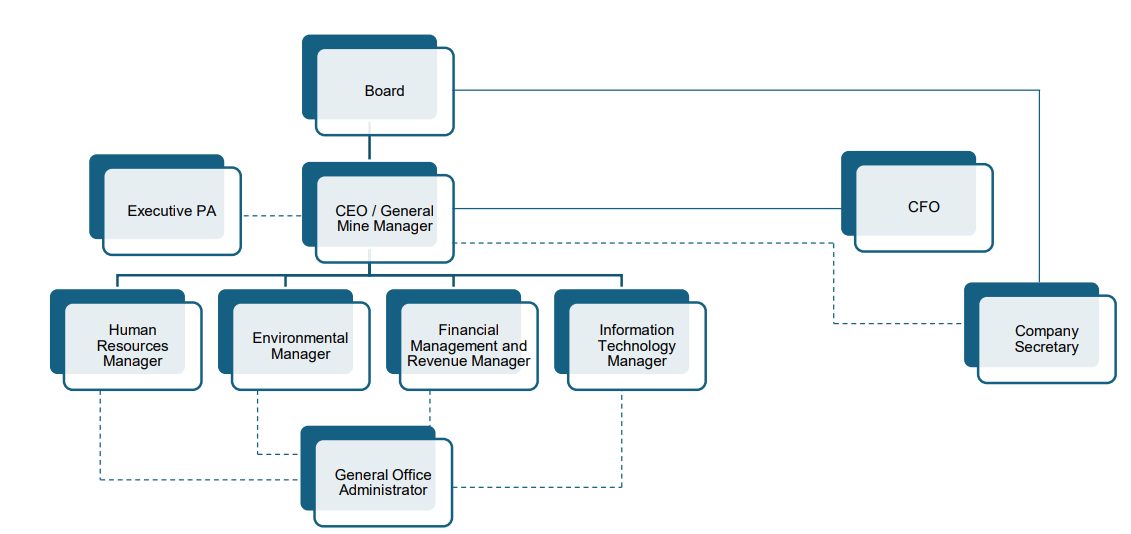
The mission of Alexkor SOC Ltd is to operate a growing, profitable and sustainable mining organisation that contributes to the developmental needs of the communities. Alexkor's objectives are: turning Alexkor around into a viable dynamic mining company; focusing on organic growth at Alexander Bay; acquisition of new opportunities; creating a sustainable, healthy, safe and environmentally responsible organisation; caring for people, providing sound leadership and building credible processes; and building strong relationships with all strategic partners.

Brand South Africa is the country's official marketing agency appointed to promote the nation's brand reputation. The primary objective of Brand South Africa is to develop and implement proactive marketing and communication strategies for South Africa, with and through stakeholders, to promote South Africa's competitiveness and attractiveness to both domestic and international audiences. Its role is to create a positive, unified image of South Africa; one that builds pride, promotes investment and tourism, and helps new enterprises and job creation.
The Engineering Council of South Africa (ECSA) is a statutory body established in terms of the Engineering Profession Act (EPA), 46 of 2000. The ECSA's primary role is the regulation of the engineering profession in terms of this Act. Its core functions are: the accreditation of engineering programmes; registration of persons as professionals in specified categories; and the regulation of the practice of registered persons. ECSA is the only body in South Africa that is authorised to register engineering professionals and bestow the use of engineering titles such as Pr Eng, Pr Tech Eng, Pr Techni Eng, Pr Cert Eng, on persons who have met the requisite professional registration criteria. Its vision is to ensure engineering excellence and to transform the nation and fulfils this vision though: determining standards for education and accreditation of educational programmes; registration of engineering practitioners; developing and sustaining a relevant, transformed, competent and internationally recognised engineering profession; educating the public on expected engineering quality standards; protecting the interest of the public against sub-standard quality of engineering work; regulatory efforts to ensure environmental protection; and engaging with government to support national priorities.

Eskom Holdings SOC Ltd is South Africa's primary electricity supplier, generating approximately 90% of the electricity used in South Africa. Eskom's strategic role remains to enable economic growth by providing a reliable and predictable electricity supply in an efficient and sustainable manner. It also contributes to job creation, skills development, transformation and broad-based black economic empowerment, in support of the National Development Plan (NDP) and other country initiatives.
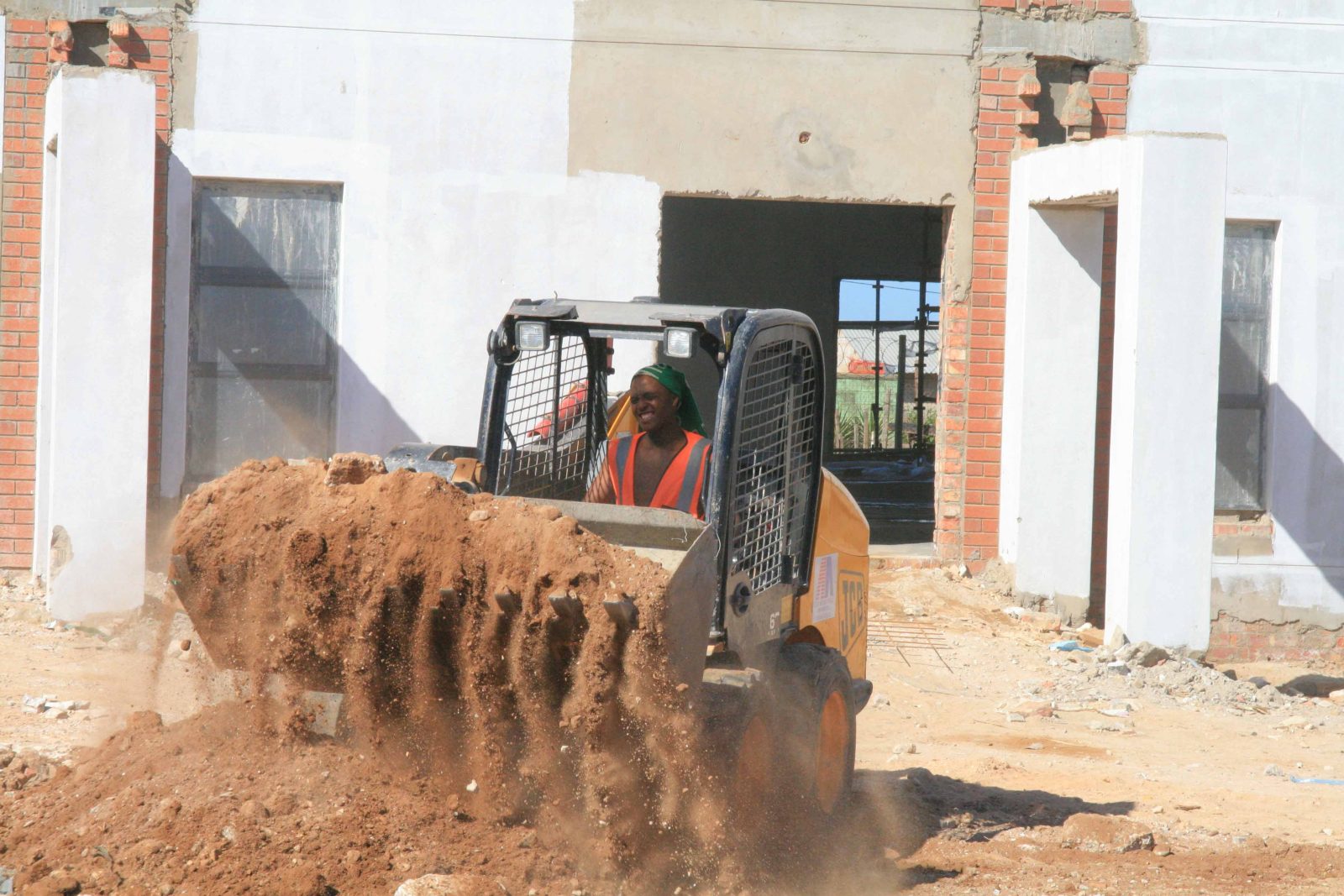
The mission of the Housing Development Agency (HDA) is to build partnerships to create integrated sustainable human settlements. The functions of the Agency are to: develop a development plan to be approved by the Minister in consultation with the relevant authorities in the provinces and municipalities; develop strategic plans with regard to the identification and acquisition of state, privately and communally owned land that is suitable for residential and community development; prepare necessary documentation for consideration and approval by the relevant authorities as may be required in terms of any other applicable law; monitor progress of the development of land and landed property acquired for the purposes of creating sustainable human settlements; enhance the capacity of organs of state, including skills transfer to enable them to meet the demand for housing delivery; ensure that there is collaboration and intergovernmental and integrated alignment for housing development services; identify, acquire, hold, develop and release state, private and communal land for residential and community development; undertake such project management services as may be necessary, including assistance relating to approvals required for housing development; contract with any organ of state for the purpose of acquiring available land for residential housing and community development for the creation of sustainable human settlement; assist organs of state in dealing with housing developments that have not been completed within the anticipated project period; assist organs of state with the upgrading of informal settlements; and assist organs of state in respect of emergency housing solutions.

The Industrial Development Corporation of South Africa Limited (IDC) was established in 1940 by Parliament's Industrial Development Corporation Act No 22 of 1940. The corporation was established to spearhead the development of domestic industrial capacity, especially in view of the shortage of manufactured goods experienced as a result of the disruption of trade between Europe and South Africa during the Second World War. Since its establishment, the corporation has been instrumental in implementing South Africa's industrial development policy, establishing some of the industries that have since become cornerstones of the country's manufacturing sector. These include the petrol-chemicals, mining and mineral beneficiation industries, fabricated metals, agro-industries, and clothing and textiles among others. Although our priorities and focus areas have evolved over the years in line with the policy direction of our shareholder (Government), the IDC remains committed to its objectives of developing South Africa and the continent's industrial capacity and, in doing so, playing a major role in facilitating job creation. By strengthening industrial capacity, the corporation achieves specific outcomes, the most important of which is to facilitate the creation of employment opportunities through companies we fund. The IDC remains committed to promoting sustainable growth and increasing sectoral diversity, thereby boosting local production of goods. In addition to job creation, IDC funding helps to promote regional development as well as economic integration including advancing Black Economic Empowerment initiatives. Furthermore, our role in the rest of Africa remains to proactively develop and implement strategies that create linkages and integrate value chains across the continent. Through our subsidiary sefa, the Corporation has played a critical role in promoting entrepreneurial development by supporting Small Medium Enterprises (SMES).

Legal Aid South Africa makes legal aid available to indigent and vulnerable persons within its financial means and provides legal representation at State expense, as set out in the Constitution and relevant legislation giving content to the right to legal representation at state expense. Legal Aid South Africa's role is to provide legal aid to those who cannot afford their own legal representation. This includes indigent people and vulnerable groups such as women, children and the rural poor. It does this in an independent and unbiased manner, with the intention of enhancing justice and public confidence in the law and administration of justice.

The mandate of Mintek is to serve the national interest through research and development, technology transfer, promote mineral technology, and encourage the establishment and expansion of industries in the field of minerals and products derived therefrom. Mintek's offerings include a full range of process development services, from preliminary bench-scale investigations to large-scale piloting and integrated flowsheet development, in support of bankable feasibility studies. Its activities include: providing essential services (information, consulting and experimental); increasing the competitiveness of the industry by developing effective technology (to cut costs and improve recoveries); developing ‘breakthrough' process technologies and novel uses for metals and their products; marketing its commercial products and technologies to the industry; establishing strategic partnerships and joint ventures; participating in regional development initiatives and Southern African Development Community activities and projects; maintaining and expanding international scientific links; and developing the human resources potential of the region through educational and training activities.

The mission of the National Arts Council of South Africa (NAC) is to develop and promote excellence in the arts. The Council's mandate is to: provide, and encourage the provision of, opportunities for people to practice the arts; promote the appreciation, understanding and enjoyment of the arts; promote the general application of the arts in the community; foster the expression of a national identity and consciousness by means of the arts; uphold and promote the right of any people to freedom in the practice of the arts; give the historically disadvantaged such additional help and resources as are required to give them greater access to the arts; address historical imbalances in the provision of infrastructure for the promotion of the arts; promote and facilitate national and international liaison between individuals and institutions in respect of the arts; and develop, promote and encourage excellence in the arts.

The mission of the National Credit Regulator (NCR) is to support the social and economic advancement of South Africa by regulating for a fair and non-discriminatory market place for access to consumer credit; and promoting responsible credit granting and credit use, and effective redress. The NCR's mandate is to: promote and support the development of a fair, transparent, competitive, sustainable, responsible, efficient and effective consumer credit market, and to increase participation of historically disadvantaged persons, low-income persons and communities, and remote, isolated or low-density populations and communities in the consumer credit market; regulate the consumer credit industry by registering credit providers, credit bureaus and debt counsellors, payment distribution agents, and alternative dispute resolution agencies; enforce the provisions of the National Credit Act; undertake research on the nature and dynamics of the consumer credit market in order to increase knowledge of these matters; promote public awareness of consumer credit matters; and review legislation and report to the Minister of Trade and Industry on matters concerning consumer credit.
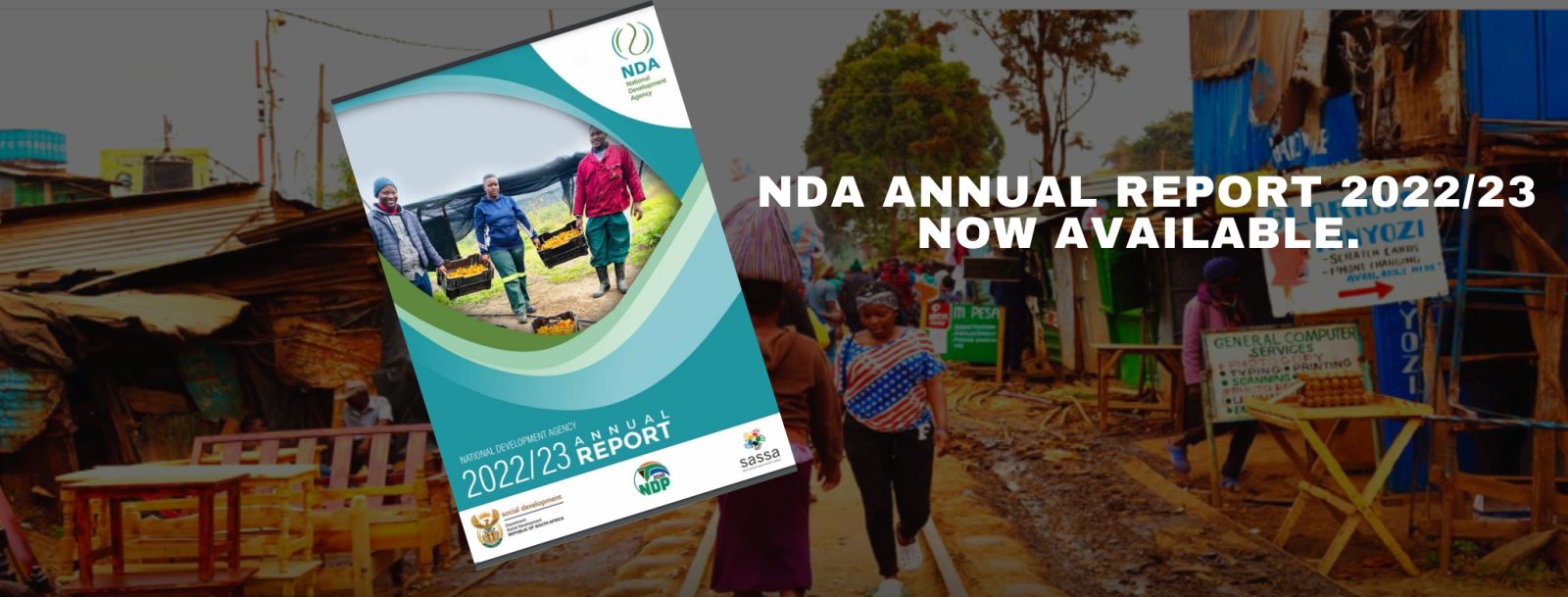
The National Development Agency's (NDA) mandate is to: contribute towards the eradication of poverty and its causes by granting funds to civil society organisations for the purpose of implementing development projects of poor communities and strengthening the institutional capacity of other civil society organisations that provide services to poor communities; promote consultation, dialogue and sharing of development experience between civil society organisations and relevant organs of state; debate development policy; and undertake research and publications aimed at providing the basis for development policy.
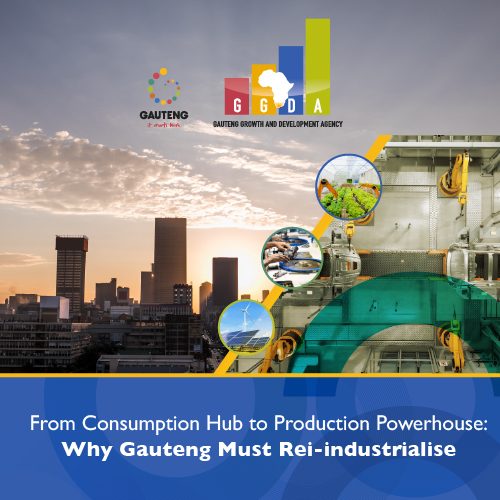
The Gauteng Growth and Development Agency (GGDA) was established by the Gauteng Provincial Government through its Department of Economic Development (GDED). Its objective is to spearhead and coordinate economic development efforts for the province, targeting local and international business stakeholders. The GGDA's purpose is to grow the economy by positioning Gauteng as a Global Competitive City Region (GCR). It aims to demonstrate thought leadership in implementing key programmes and provide support for the development of key sectors. The GGDA's decree is to serve as the implementation arm of the GDED and assist the department in leading, facilitating and managing sustainable job creation and inclusive economic growth and development in the GCR. The GGDA recognises the importance of investment as a driver of job creation, skills development and firm creation for economic growth and development both within the province and throughout South Africa. One of its key deliverables is ensuring that investors receive all the support and information that they require in order to maximise the gains from their investments.

The mission of the National Film and Video Foundation (NFVF) is to work with all stakeholders to support the development and promotion of the South African film industry, and to create an industry that represents our nation's aspirations and celebrates our diversity through the values of creativity, freedom of expression, entrepreneurship, equitable redress and collaboration. The Foundation's main objectives are to: increase the number of South African films and Previously Disadvantaged Individuals (PDIs) producing them; increase audience access to South African films; increase the number of people trained in the industry, particularly in areas of scarce skills; promote the South African film industry locally and internationally; and promote social cohesion and the expression of the nation's stories through film.
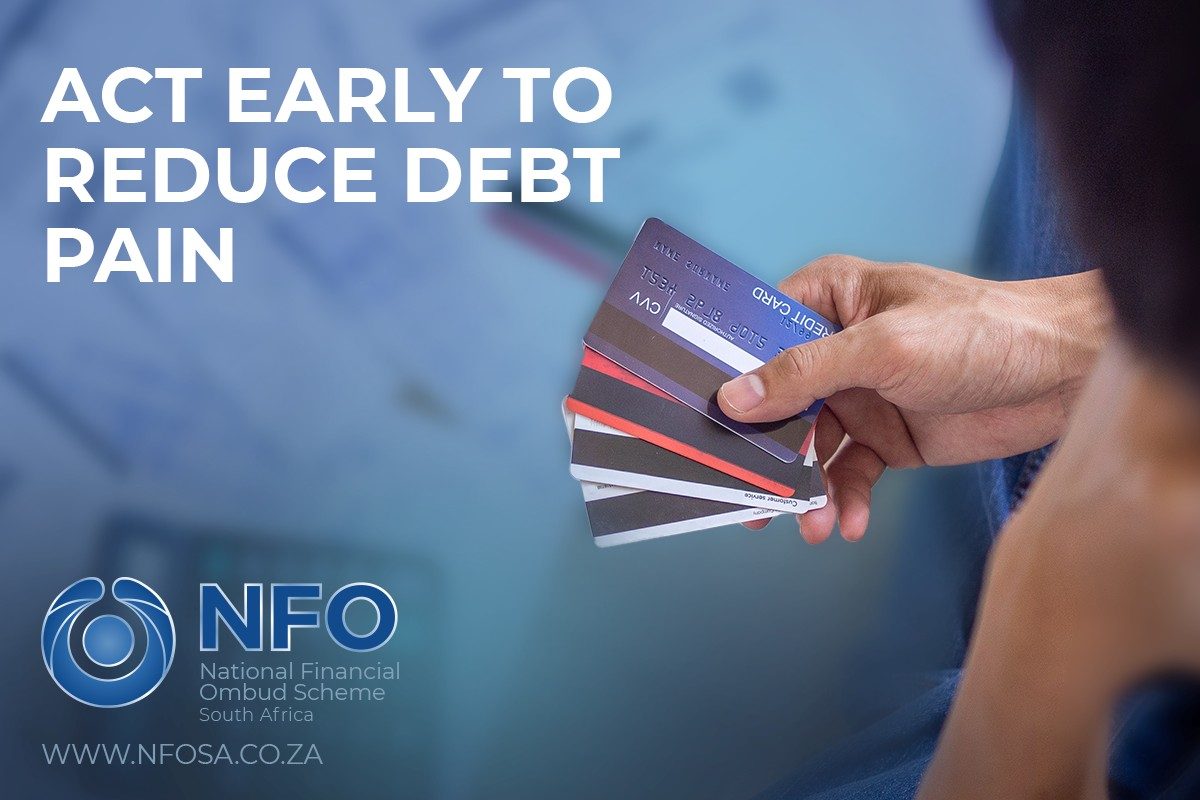
The National Financial Ombud Scheme South Africa (NFO) is an umbrella financial services ombud scheme formed by the amalgamation of four separate previously existing South African ombud schemes: the offices of the Banking Ombud (OBS); the Credit Ombud (CO); the office of the Long-Term Insurance Ombud (OLTI); and the Short-Term Insurance Ombudsman (OSTI). In June 2021, the World Bank published a report on the role of the financial sector ombud system in South Africa. The report recommended that the overall ombud system and its components be reformed to make it fit for purpose and to adequately address the complexity of the South African financial system. The OBS; CO; OLTI; and OSTI entered into discussions early in 2020 to explore a voluntary amalgamation. The culmination of the work of the four ombud schemes resulted in the OBS, CO, OLTI and OSTI being replaced by the National Financial Ombud Scheme South Africa (NFO). The NFO commenced operations on 1 March 2024. The NFO's purpose is to resolve financial services complaints fairly, impartially and efficiently; provide a timely, informal and accessible alternative dispute resolution service to financial service providers and their customers; and promote financial education amongst consumers and financial institutions.
No map locations
These listings don't have coordinates yet.
Can't find the business?
Adding a business to Insly is always free.
Get free quotes from State-owned Enterprises(SoEs) in Johannesburg
Tell us what you need and get quotes from businesses that respond fast.
Related searches in Johannesburg
Trending searches in Johannesburg
- Opera & Ballet in Johannesburg
- Donuts in Johannesburg
- Empanadas in Johannesburg
- Baby Gear & Furniture in Johannesburg
- Lawyers in Johannesburg
- Doctors in Johannesburg
- Food Delivery Services in Johannesburg
- Flooring in Johannesburg
- Auto Glass Services in Johannesburg
- Behavior Analysts in Johannesburg
- Acne Treatment in Johannesburg
- Planetarium in Johannesburg
- Grout Services in Johannesburg
- Staffing Solutions in Johannesburg
- Fire Protection Services in Johannesburg
- Commercial Truck Repair in Johannesburg
- Banks & Credit Unions in Johannesburg
- Music Venues in Johannesburg
- Fireplace Services in Johannesburg
- Fashion in Johannesburg
- Hypnosis/Hypnotherapy in Johannesburg
More nearby
- Body Contouring in Johannesburg
- Dentists in Johannesburg
- Ayurveda in Johannesburg
- Real Estate in Johannesburg
- Accountants in Johannesburg
- Venues & Event Spaces in Johannesburg
- Day Spas in Johannesburg
- Breweries in Johannesburg
- Country Clubs in Johannesburg
- Hospitals in Johannesburg
- Beer, Wine & Spirits in Johannesburg
- Insurance in Johannesburg
State-owned Enterprises(SoEs) in nearby cities
Related guides
- Johannesburg Nightlife: A Neighbourhood-by-Neighbourhood Guide
- Best Restaurants in Johannesburg: A Local Discovery Guide
- Best Nightlife in Johannesburg: A Local Guide to Joburg After Dark
- Best Outdoor Activities in Johannesburg: A Local Discovery Guide
- Affordable & Cheap Restaurants in Johannesburg: A Budget Dining Guide
- Best Restaurants for Special Occasions & Date Nights in Johannesburg
Frequently asked questions
What did people search for similar to state-owned enterprises(soes) in Johannesburg?
People also searched for these in Johannesburg:
- Municipalities
- SETAs
- Parliament
- Provincial Governement
- Associations