
Public Services & Government
358 results
Sub-categories
Get quotes from multiple providers
Describe your job once and compare quotes from Public Services & Government providers — no payment now.

The vision of the Free State Department of Economic, Small Business Development, Tourism and Environmental Affairs (DESTEA) is to be a transformed economy and a prosperous society that is living in harmony with its natural resources. DESTEA's mission as a leading developmental institution is to drive environmentally sustainable economic growth and transformation for the benefit of the Free State province and its citizens through: the creation of a conducive environment for trade and investment, including the establishment of a progressive policy framework to promote wealth creation and equitable wealth distribution for economic transformation; preservation and sustainable use of natural resources; and being a capable, ethical and responsive organisation. The department's constitutional mandates require it to oversee and administer the following: trade; tourism; casinos, racing, gambling and wagering, excluding lotteries and sports pools; consumer protection; environment; industrial promotion; nature conservation; pollution control; provincial public enterprises; soil conservation; and liquor licenses and control of undertakings that sell liquor to the public. Furthermore, the department's constitutional mandate emphasises that everyone has the right to an environment that is not harmful to their health or well-being and to have the environment protected, for the benefit of present and future generations, through: reasonable legislative and other measures that prevent pollution and ecological degradation; promotion of conservation; and securing ecologically sustainable development and use of natural resources while promoting justifiable economic and social development.
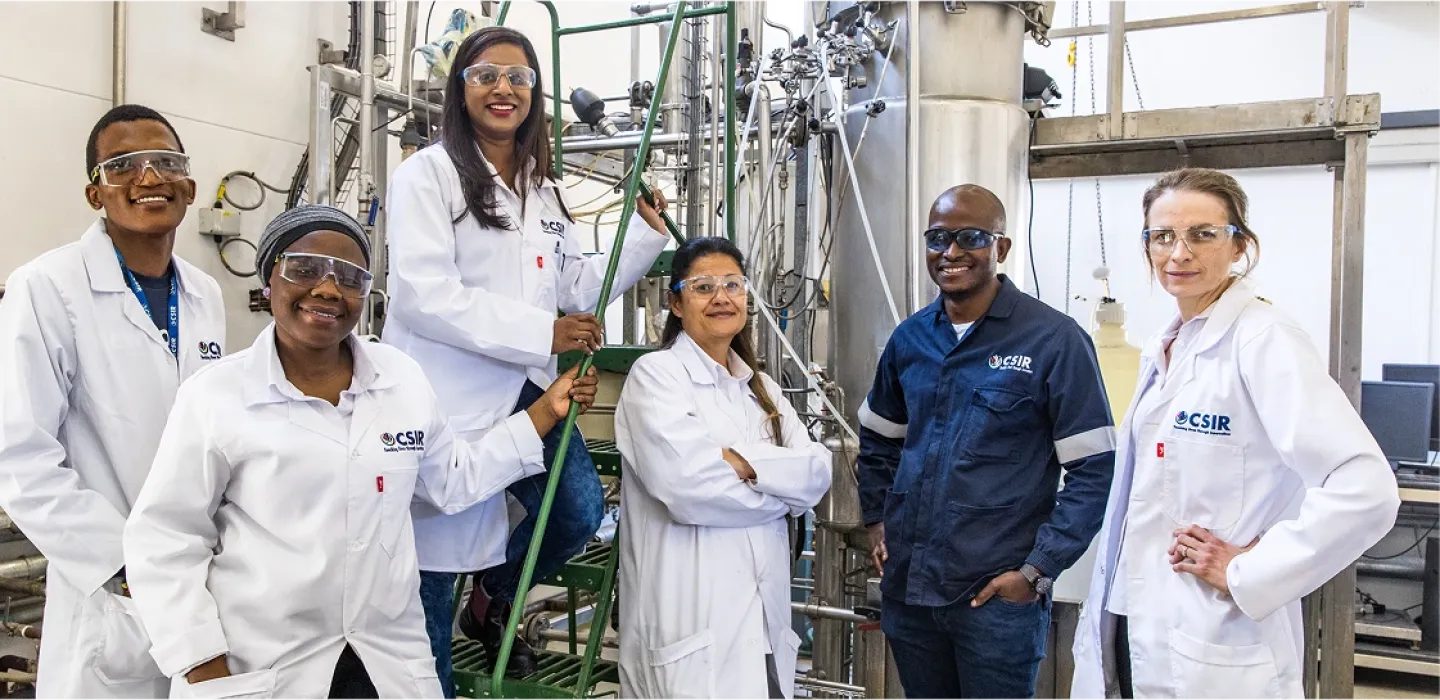
The Council for Scientific and Industrial Research (CSIR) is a leading scientific and technology research organisation that researches and develops transformative technologies to accelerate socioeconomic prosperity in South Africa. The organisation's work contributes to industrial development and supports a capable state. The CSIR is an entity of the Department of Science and Innovation. The organisation plays a key role in supporting the public and private sectors through directed research that is aligned with the country's priorities, the organisation's mandate and its science, engineering and technology competences. The nine high-impact sectors identified by the CSIR to achieve its aims are the following industry advancement clusters: Advanced Agriculture and Food; Next Generation Health; Future Production: Chemicals; Future Production: Mining; Future Production: Manufacturing; Defence and Security Industry and society enabling clusters; Smart Places; Smart Mobility; and Next Generation Enterprises and Institutions. Our core values are the driving force behind our ability to conduct cutting-edge research and technological innovation to improve the quality of life of South Africans. These values make for an EPIC team - one that pursues Excellence, celebrates People, personifies Integrity, and welcomes Collaboration.

The mission of the Free State Department of Education is to provide an education system that is free, compulsory, universal and equal for all children of the Free State Province. The Department's strategic objectives are: promotion of sound corporate governance through sustainable use of resources to provide overall management to the Department, support and related services to educational institutions, and subsidy to independent schools in line with norms and standards; provision of effective and accessible quality basic education to provide effective teaching and learning to all children/learners from Grade 1 to Grade 12, access to quality education for learners with special needs, and expansion and universalisation of Grade R; and provision of relevant and accessible Further Education and Training (FET) programmes to develop skills for economic growth and development, and quality education for adults and out-of-school youth.
The mission of the Council for the Built Environment (CBE) is to lead, regulate, advise and coordinate professions and their councils to meet the National Built Environment and Transformation Future of the industry. The CBE's mandate is to: promote and protect the interest of the public in the built environment; promote and maintain a sustainable built environment and natural environment; promote ongoing human resources development in the built environment; facilitate participation by the built environment professions in integrated development in the context of national goals; promote appropriate standards of health, safety and environmental protection within the built environment; promote sound governance of the built environment professions; promote liaison in the field of training in South Africa and elsewhere and to promote the standards of such training in the country; serve as a forum where the built environment professions may discuss the relevant issues (required qualifications; standards of education; training and competence; promotion of professional status; and legislation impacting on the built environment); and ensure uniform application of norms and guidelines set by the councils for the professions throughout the built environment.

The vision of the Council on Higher Education (CHE) is to be a dynamic organisation contributing to a transformed, equitable and quality higher education and training system in South Africa. Its mission as the independent statutory quality council for South African higher education, is to: lead and manage quality assurance; research and monitor trends and development; initiate critical discourse on contemporary higher education issues; and provide advice to the Minister on strategy and policy. The main areas of work of the CHE are to: provide advice to the Minister of Higher Education and Training on all higher education matters on request, and proactively; promote a system of quality assurance for all higher education institutions, including private providers of higher education, which focuses on programme accreditation, institutional audits, national reviews, standards development, quality promotion and capacity development; monitor the state of higher education and publish information regarding developments in higher education on a regular basis; and contribute to the development of higher education through intellectual engagement with key issues in a number of activities in partnership with relevant stakeholders.
The vision of the Free State Department of Health is to increase life expectancy through health system effectiveness, drive system change, and ensure sustainable quality services. The Department's mission is to create a value-driven institution that inculcates operational efficiency and accountability in delivering desired outcomes effectively. The key determinants of relationships within the Department are accountability, responsiveness, Batho Pele principles, commitments and integrity. Its key enablers are: a team approach based on strong intercluster collaboration; intersectoral collaboration; an outcomes- and/or evidence-based approach; and timely corrective actions.
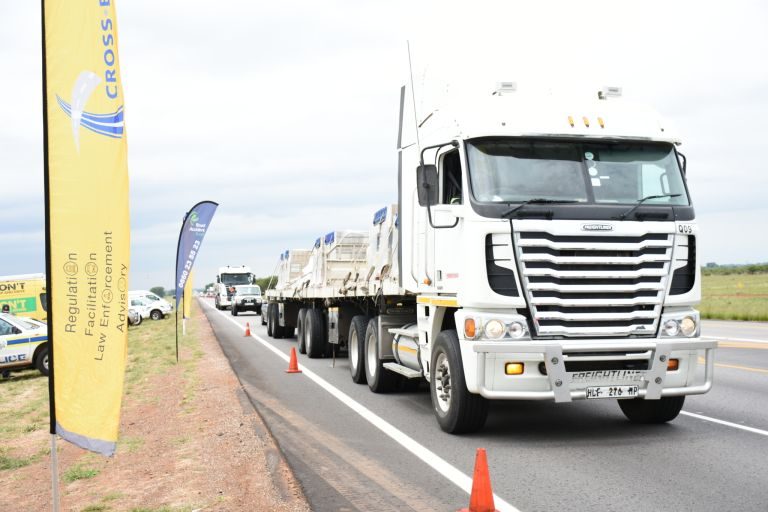
The mission of the Cross-Border Road Transport Agency is to drive an integrated African continent through excellence in cross-border road transport economic regulation, law enforcement, advisory and facilitation of unimpeded flow of goods and people. The Agency was established to provide advice, regulation, facilitation and law enforcement in respect of cross-border road transport, so as to: improve the unimpeded flow of freight and passengers in the region; introduce regulated competition in respect of cross-border road transport; reduce operational constraints for the cross-border transport industry as a whole; enhance and strengthen the capacity of the public sector in support of its strategic planning, enabling and monitoring functions; and empower the cross-border road transport industry to maximise business opportunities and to regulate themselves incrementally to improve safety, security, reliability, quality and efficiency of services.

The vision of Denel SOC Ltd is to be a strategic partner for innovative defence, security and related technology solutions. Denel's purpose is to: supply the South African defence and security environment with strategic technology capability, products, services and support; leverage indigenous capability to access selected export markets; contribute to the socio-economic imperatives of government, such as job creation, skills development and social investment, enhancing the local technology and manufacturing base, supplier development, exploiting commercial use of technology, and foreign policy and regional security objectives; and be a responsible corporate citizen to ensure good governance and sustainability, and transformation and employee well-being.

The mission of the Free State Department of Human Settlements is to develop cohesive, sustainable and integrated human settlements in the Free State. The Department is committed to meeting the following specific objectives: accelerating the delivery of housing as a key strategy for poverty alleviation; utilising provision of housing as a major job creation strategy; ensuring that property can be accessed by all as an asset for wealth creation and empowerment; leveraging growth in the economy; combating crime, promoting social cohesion and improving quality of life for the poor; supporting the functioning of the entire single residential property market to reduce duality within the sector; breaking the barriers between the first economy residential property boom and the second economy slump; and utilising housing as an instrument for the development of sustainable human settlements, in support of spatial restructuring.

The mission of the Development Bank of Southern Africa (DBSA) is to advance the development impact in the region by expanding access to development finance, and effectively integrating and implementing sustainable development solutions. The DBSA's purpose is to accelerate sustainable socio-economic development, and improve the quality of life of the people of the Southern African Development Community (SADC) and, more recently, the whole of the African continent, by driving financial and non-financial investments in the social and economic infrastructure sectors: social infrastructure - infrastructure aimed at addressing backlogs and expediting the delivery of essential social services to support sustainable living conditions and a better quality of life within communities; and economic infrastructure - infrastructure aimed at addressing capacity constraints and bottlenecks in order to optimise economic growth potential and support regional integration. The DBSA has prioritised water, energy, transport and ICT as its key focus areas.
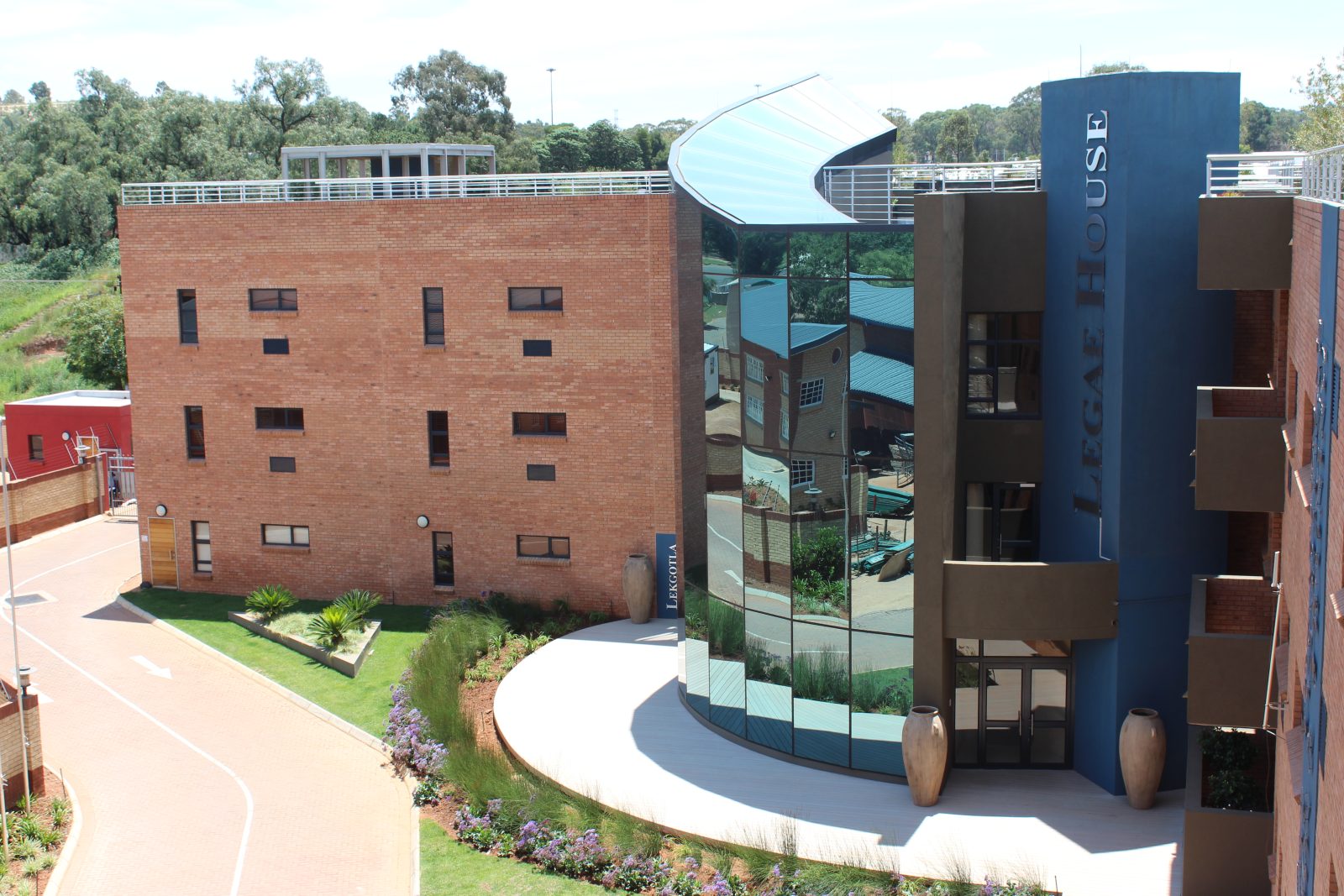

The vision of the Education Labour Relations Council (ELRC) is to improve the quality of teaching and learning through labour peace. The ELRC is a bargaining council that serves the public education sector nationally and provincially. The primary business of the ELRC is to promote the maintenance of labour peace in the public education sector, through the provision of dispute resolution and prevention services. The secondary business of the ELRC is to promote the maintenance of labour peace in the public education sector through the facilitation of negotiations between trade unions and the state as the employer. The Council's strategic outcome-orientated goals are to: provide an evidence base for improved policies and policy implementation in basic education through research and monitoring, and evaluation activities; attach equal importance to proactive dispute prevention and dispute resolution; maximise the scope of parties' shared interest through collective bargaining processes; provide appropriate support and training for all involved in dispute resolution and collective bargaining; and support and complement the core activities of the Council through sound communication strategies, special initiatives and campaigns.
The Engineering Council of South Africa (ECSA) is a statutory body established in terms of the Engineering Profession Act (EPA), 46 of 2000. The ECSA's primary role is the regulation of the engineering profession in terms of this Act. Its core functions are: the accreditation of engineering programmes; registration of persons as professionals in specified categories; and the regulation of the practice of registered persons. ECSA is the only body in South Africa that is authorised to register engineering professionals and bestow the use of engineering titles such as Pr Eng, Pr Tech Eng, Pr Techni Eng, Pr Cert Eng, on persons who have met the requisite professional registration criteria. Its vision is to ensure engineering excellence and to transform the nation and fulfils this vision though: determining standards for education and accreditation of educational programmes; registration of engineering practitioners; developing and sustaining a relevant, transformed, competent and internationally recognised engineering profession; educating the public on expected engineering quality standards; protecting the interest of the public against sub-standard quality of engineering work; regulatory efforts to ensure environmental protection; and engaging with government to support national priorities.
No map locations
These listings don't have coordinates yet.