
Public Services & Government
358 results
Sub-categories
Get quotes from multiple providers
Describe your job once and compare quotes from Public Services & Government providers — no payment now.
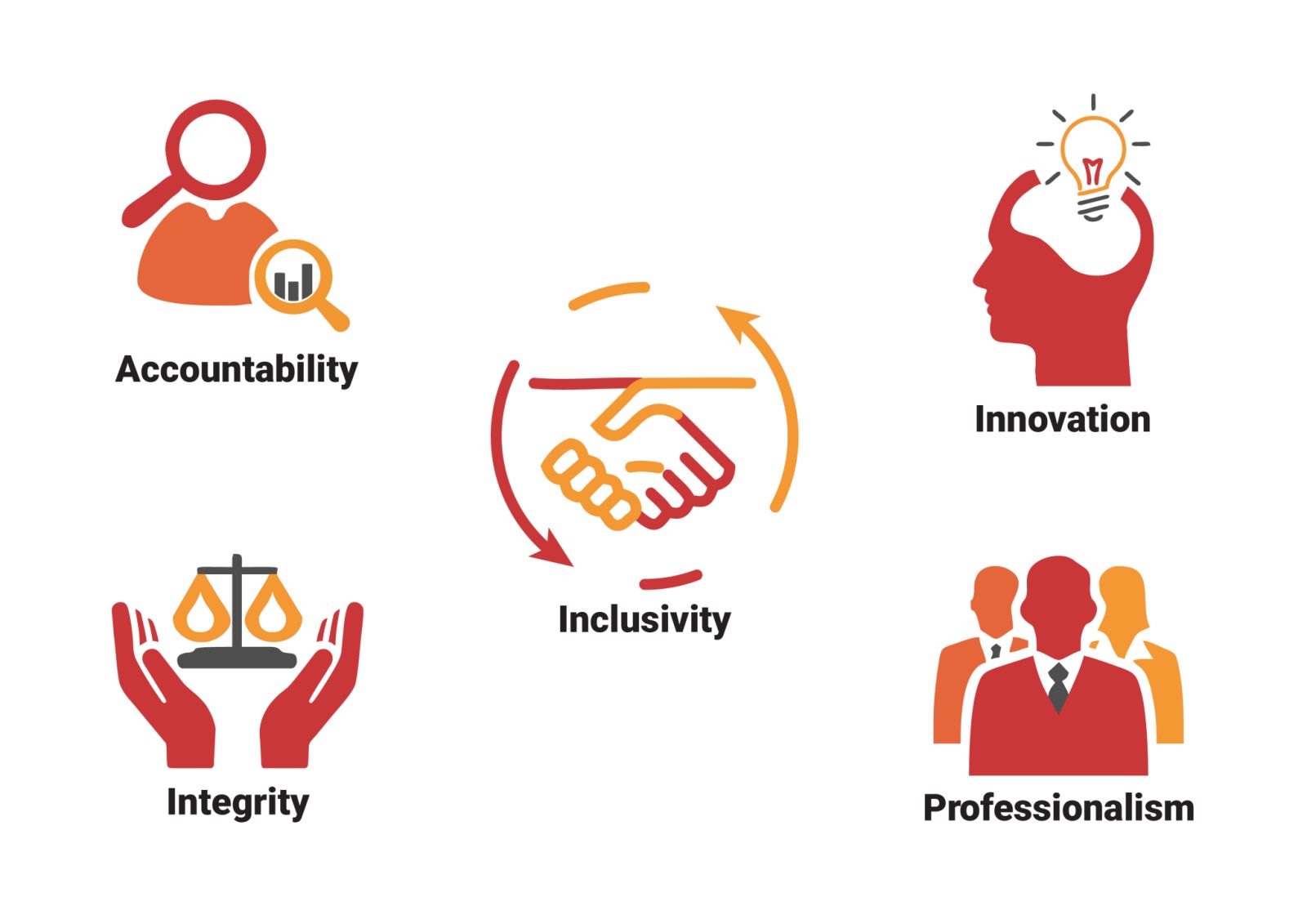
The Services Sector Education and Training Authority (SSETA) is responsible for the disbursement of the training levies payable by all employers. These levies are collected by the South African Revenue Service (SARS) via the Department of Higher Education and Training (DHET), and are to be disbursed through a management system motivated by skills requirement assessment and monitoring. The SSETA ensures that the skill requirements of the services sector are identified and that adequate and appropriate skills are readily available. The SSETA contributes to the improvement of sector skills through achieving a more favourable balance between demand and supply, and ensuring that education and training: is provided subject to validation and quality assurance; meets agreed standards within a national framework; ensures that new entrants to the labour market are adequately trained; and acknowledges and enhances the skills of the current work force.

The core mission of the Transport Education Training Authority (TETA) is to build a forward-thinking and globally competitive workforce by facilitating skills development programmes that support the outcomes of the NSDP and respond to emerging skills needs of the transport sector. TETA's primary functions are: to develop a sector skills plan (SSP); facilitate the development, registration and implementation of learnerships, skills programmes and strategic initiatives; approve workplace skills plans (WSPs); disburse grants to stakeholders; and conduct quality assurance on education and training that falls within the scope of the sector.

The vision of the Eastern Cape Department of Education is to offer a quality education and training system that transforms schools into centres of community life and promotes shared moral values, good governance and sustainable development. Its mission is to provide quality education for sustainable development by providing socially relevant and economically responsive programmes that address the human resource needs of the province and the country; enhancing the skills base for agrarian transformation, manufacturing diversification and tourism in order to meet the needs of the second economy; providing quality programmes to build the capacity of all employees; and encouraging participatory decision-making processes that strive to empower the whole community at all levels. The following are the strategic goals of the Department: access to basic education, and equity in opportunity and educational achievement for all learners regardless of race, gender, disability, geographical location and socio-economic status; empowerment of all learners to become responsible citizens through equipping them with skills, knowledge and values; improved quality of teaching and learning at all educational institutions; improved institutional efficiency through enhanced management systems and integrated service delivery; economic, effective, efficient and equitable resourcing within the education system; and cohesive and sustainable communities built through cooperation with all stakeholders in education.

The mission of the Eastern Cape Department of Health is to provide and ensure accessible, comprehensive, integrated services in the Eastern Cape, emphasising the primary health care approach, optimally utilising all resources to enable all its present and future generations to enjoy health and quality of life. The primary business of the Department and health care service delivery is based on the following five strategic goals: facilitate a functional, quality-driven public health system that provides an integrated and seamless package of health services and is responsive to customer needs; combat and reduce the impact of TB and HIV/AIDS, with a special focus on preventing the emergence of drug-resistant strains; improve and strengthen the mother and child health services; combat and reduce diseases of lifestyle and mental conditions; and enhance institutional capacity through effective leadership, governance, accountability, and efficient and effective utilisation of resources.

The mandate of the Eastern Cape Department of Human Settlements is to create integrated sustainable human settlements with improved quality of household lives. The Department has identified four outcomes that encompass all its core functions and responsibilities: good governance, evidence-based integrated plans and policies in line with the district development, empowered and integrated sustainable communities, security of land tenure and affordable residential and rental services. These outcomes are intended to provide a credible multi-year housing development plan and budget through a participation process with stakeholders; promote consultation in the housing policy and legislative framework development and review process; review and roll-out the provincial medium-term Sustainable Human Settlement Research Agenda; provide outcomes-based monitoring and evaluation of integrated plans; facilitate and coordinate the upgrading of informal settlements in the province; facilitate and promote the integration of communities utilising social and rental housing; provide planning, project management, technical and quality assurance expertise to sustainable human settlement projects; acquire land and facilitate the issuing of title deeds to promote homeownership; provide political and strategic leadership and management leadership to the Department; provide assurance and consulting activities on internal controls, risk management and governance processes, and fight fraud and corruption; effectively manage financial resources to achieve an unqualified audit opinion; provide streamlined procurement processes and effective contracts management; and enhance the organisational performance through a well-aligned organisational transformation programme, capacitated employees and sustainable ICTs.

The mission of the Eastern Cape Provincial Treasury is to provide strategic and technical leadership in the allocation, management and utilisation of financial resources in order to improve quality of life in the province. The Department's strategic goals are efficient and effective management of financial resources; sound financial accounting; allocative efficacy; sound stakeholder relations; and well-functioning department legislatures and other mandates. The Department is mandated to fulfil the following functions: prepare and exercise control over the implementation of the provincial budget; promote and enforce transparency and effective management in respect of revenue, expenditure, assets and liabilities of provincial departments and provincial public entities; ensure that its fiscal policies do not materially and unreasonably prejudice national economic policies; enforce the Public Finance Management Act (PFMA) and any prescribed national and provincial norms and standards; comply with the annual Division of Revenue Act and monitor and assess the implementation of that act in provincial public entities; possibly assist in building capacities for efficient, effective and transparent financial management; possibly investigate any system of financial management and internal control; intervene by taking appropriate steps to address a serious or persistent material breach of this act; and promptly provide any information required by the National Treasury in terms of this act.

Brand South Africa is the country's official marketing agency appointed to promote the nation's brand reputation. The primary objective of Brand South Africa is to develop and implement proactive marketing and communication strategies for South Africa, with and through stakeholders, to promote South Africa's competitiveness and attractiveness to both domestic and international audiences. Its role is to create a positive, unified image of South Africa; one that builds pride, promotes investment and tourism, and helps new enterprises and job creation.
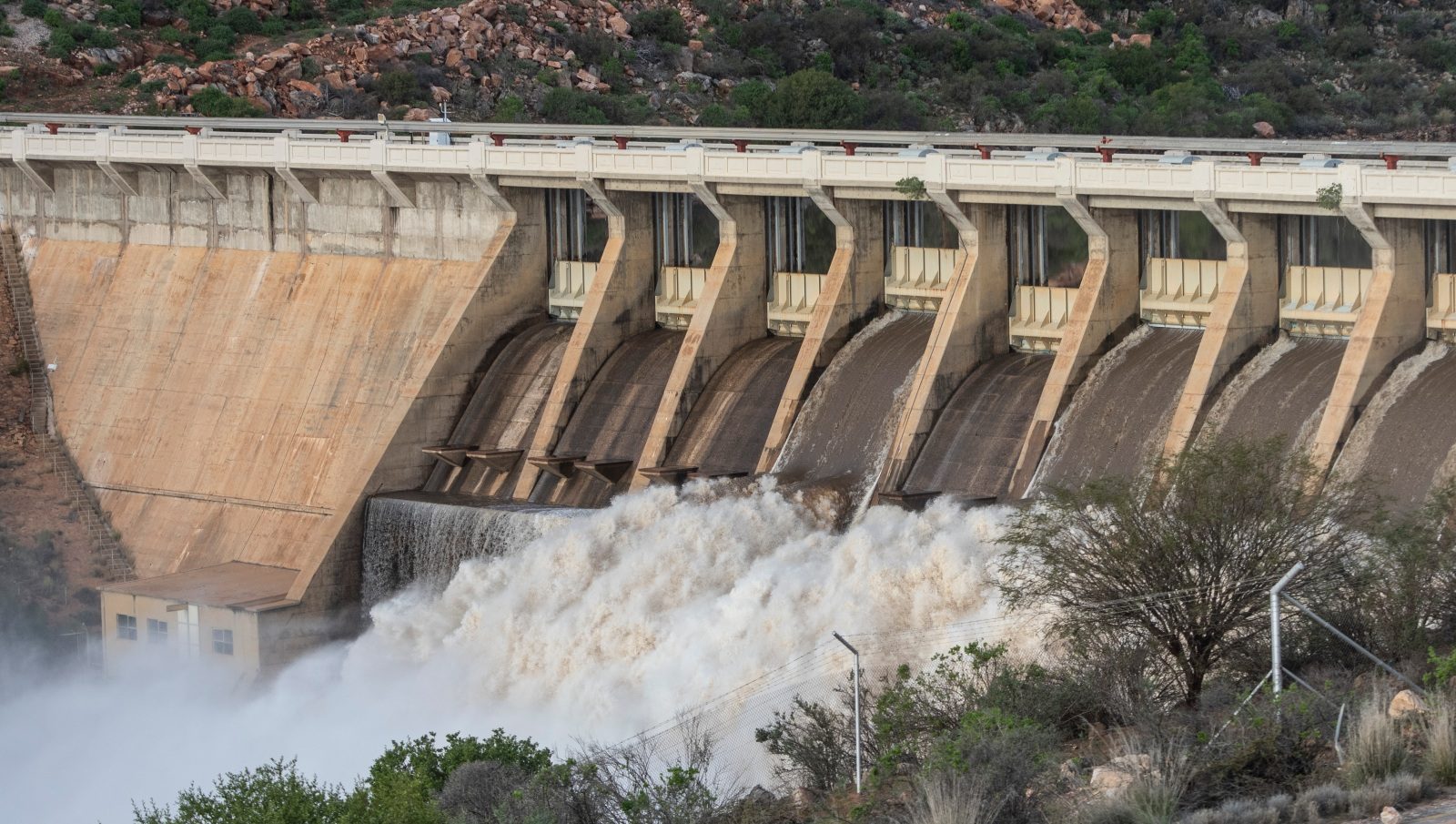
The Breede-Gouritz Catchment Management Agency (BGCMA) changed its name to the Breede-Olifants Catchment Management Agency (BOCMA). This change was formalised through an extension of the agency's boundary and area of operation, as detailed in the National Water Act. The mission of the Breede-Olifants Catchment Management Agency is to manage water resources responsibly, through continuous engagement with all stakeholders, and to devolve decision-making to the lowest level for the benefit of all water users in the Breede-Olifants Catchment, including the environment. The Agency's strategic priorities are to: ensure quality water for all people and the environment; address water allocation reform; ensure good administration of registration and licensing; inspire change in attitudes towards the environment; and promote economic growth in a sustainable way. These priorities are carried out in order to: address the developmental needs of the people and contribute to the eradication of poverty; ensure fair, equitable and well-controlled water allocation, while maintaining the integrity of the natural resource; manage the ecosystem in a sustainable manner; and allow all stakeholders a voice in how it manages our water resources.
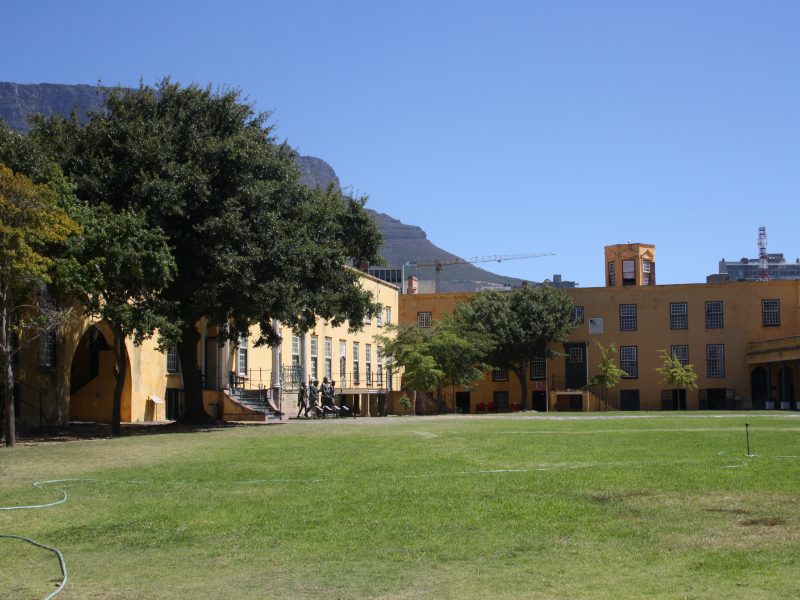
The Castle Control Board, a Schedule 3A Public Entity, is responsible for the overall management, maintenance and promotion of the Castle of Good Hope as a heritage site and tourist attraction. In terms of this legislative mandate the organisation is expected to provide a range of public services and goods on behalf of the Department of Defence and Military Veterans to local community members, tourists, learners, students, conservation agencies, exhibitors, performers, cultural organisations, traditional authorities, filming companies, event organisers, military institutions and the like. The Board's mission is to be a service-orientated public entity, striving to create an environment where national pride serves to build an internationally known and recognised cultural and heritage brand for Ubuntu, dialogue, nation-building and human rights recognition; guarantee the development of a smooth functioning, self-sustaining, 'must-see' iconic visitor and learner destination; optimise its tourism potential and accessibility to the public; and preserve and protect its cultural and military heritage by elevating it to UNESCO World Heritage status. The Board's vision is to be a globally significant, truly accessible centre that showcases South Africa's shared heritage. In its management of the Castle of Good Hope, the Castle Control Board has committed to infuse its programmatic and other corporate activities with the following core values: service quality and excellence; operate with honesty and dignity; respect for the diversity in military, cultural and social history; genuine partnerships and collaborative relationships; community engagement and inclusivity; and fiscal responsibility, accountability, transparency and sustainability.

The mission of the Eastern Cape Department of Public Works and Infrastructure is to be a custodian of provincial government immovable assets and a provider of sustainable infrastructure, resulting in socio-economic reforms, sector transformation, and development. The Department's strategic goals are to promote sound corporate governance by providing continuous sound leadership in strategic and operational planning as well as monitoring and evaluation of the Department; improve management systems in order to offer efficient and effective services to client departments and the public by monitoring the annual audit plans and continually improving management systems, policies and procedures; lead transformation and development in the construction and property industries by ensuring that a percentage of departmental expenditure on infrastructure is procured through broad-based black economic empowerment; reduce poverty and unemployment by creating sustainable job opportunities; and ensure effective management of immovable and movable provincial assets by ensuring full implementation of the Government Immovable Asset Management Act (GIAMA).

The Central Energy Fund (CEF) is a Schedule 2 state-owned diversified energy company reporting to the Department of Mineral and Petroleum Resources (DMPR). The mandate of the CEF is derived from the CEF Act 38 of 1977 and the ministerial directives issued thereafter. Its mandate is to contribute to the security of the energy supply of South Africa and the region through exploration, acquisition, development, marketing and strategic partnership. Established in the 1950s, the CEF has played a central role in ensuring South Africa's energy security supply and making a significant contribution to the South African economy by contributing to the security of energy supply by providing affordable, reliable, diverse use of primary energy resources, and contributing to economic development; being a strategic partner to the DMPR by providing insights in support of policy development and regulation; aligning with government's broad objectives (NDP); and acting as a vehicle for economic growth, poverty alleviation and economic transformation. The mission of the CEF is to provide and enable sustainable energy security solutions for South Africa in order to contribute to economic development and alleviate poverty in an environmentally responsible manner. The vision of the CEF is to secure reliable and affordable diversified energy security solutions for the South African economy by 2030. Overall, the CEF is responsible for the following five subsidiaries, which operate across the entire energy sector value chain, making up the CEF Group of Companies: AEMFC, which mines coal in Mpumalanga for supply to Eskom, iGAS which is a shareholder in the Mozambique-to-South Africa gas pipeline and is involved in the development of other gas delivery projects; PASA, which is the national petroleum and gas promotion and licensing agency; PetroSA, which is the largest subsidiary in the Group, operates a gas-to-liquids refinery that uses indigenous gas as feedstock, and is also a partner in a producing oil field in Ghana; and SFF, which manages strategic crude oil infrastructure, strategic crude oil stocks, and provides oil pollution control services in Saldanha Bay. Renewable energy activities of the holding company are managed through the Energy Projects Division. These include the identification of new joint venture investments in renewable and clean energy projects, and the management of existing joint ventures with other parties. CEF also manages the Equalisation Fund on behalf of government.

The Centre for Public Service Innovation (CPSI) is mandated to develop innovative, sustainable and responsive models for improved service delivery. The work of the CPSI is guided by an understanding of innovation in a public sector context as 'the creation and implementation of new and service delivery solutions (systems, processes, methods, models, products and services) resulting in significant improvements in outcomes, efficiency, effectiveness and quality'. The CPSI facilitates unearthing, development and implementation of innovative ideas within and throughout the public service. It achieves this by facilitating pilot projects aimed at demonstrating the value of innovative solutions, and through activities that create an enabling environment within the public sector to support and sustain innovation. The CPSI's cross-sector reach makes it a resource for the whole of government, thus bridging institutional boundaries. Through active research and knowledge sharing platforms and products, the CPSI identifies and shares lessons and information on innovation trends nationally, across Africa and internationally. The CPSI partners with a range of individuals and institutions in government, business and the community in exciting and mutually beneficial ways. This partnership model allows us to leverage financial and/or intellectual capital in support of government priorities.

The mission of the Eastern Cape Department of Rural Development and Agrarian Reform is to strive to create vibrant, equitable, sustainable rural communities and food security for all. The Department's strategic goals are: coherent and coordinated rural development for improved quality of life; and good governance and clean administration.
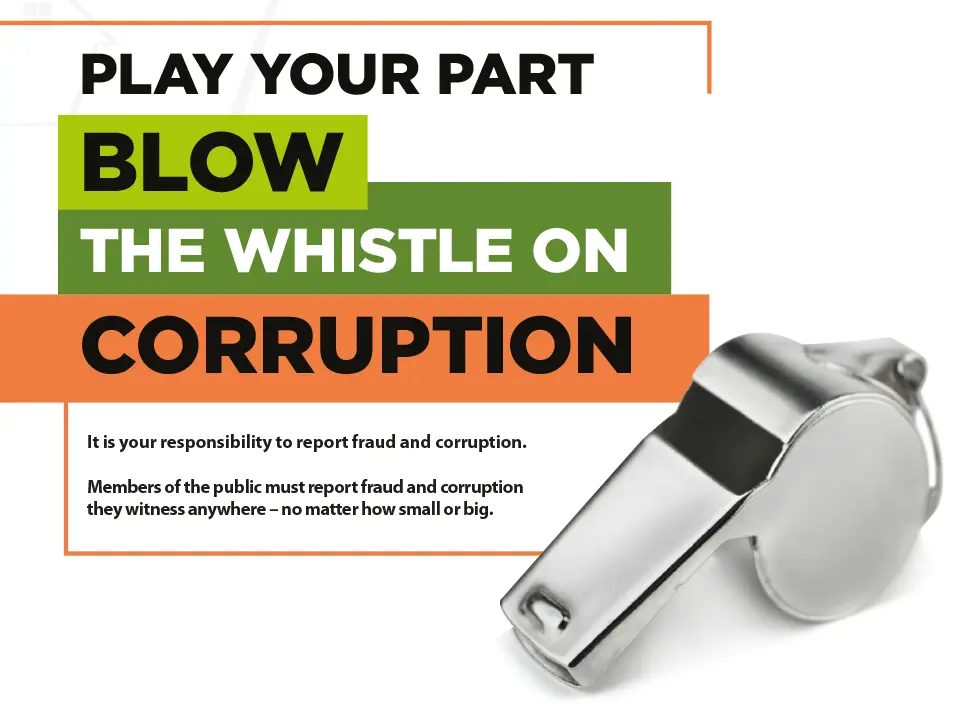
The Community Schemes Ombud Service (CSOS) was established in terms of the Community Schemes Service Act 9 of 2011 to regulate the conduct of parties within community schemes and to ensure their good governance. Community Schemes are defined in the CSOS Act as "living arrangements where there is shared use of and responsibility for land/buildings such as sectional title, homeowners' associations, retirement housing schemes, share block companies and housing cooperativesâ€. The mandate of the CSOS is to: regulate, monitor and quality assure scheme governance documentation; develop and provide a dispute resolution service; provide training for conciliators, adjudicators and other employees of the CSOS; and take custody of, preserve and provide public access electronically or by other means to scheme governance documentation.

The Eastern Cape Department of Social Development is faced with the inescapable reality that the poor, the vulnerable and the marginalised groups of the Eastern Cape continue to exert pressure and demand for the provision of comprehensive and quality development of social welfare services. Its mandate is aligned with the Social Protection Chapter of the NDP Vision 2030, which is aimed at ensuring protection against vulnerability by creating and enabling an environment for the provision of comprehensive, integrated and sustainable social development services. Social protection is recognised as a basic right in terms of Section 27(1)(c) of the Constitution, Act 108 of 1996, which provides for the right of access to appropriate social assistance to those unable to support themselves and their dependants. Section 28 (1) enshrines the right of children with regards to appropriate care, basic nutrition, shelter, health care services and social services. The core functions and responsibilities of the Department are to provide developmental social welfare services to individuals, families, groups and communities through the following social protection measures: protection - measures are introduced to save lives and reduce levels of deprivation; prevention - acting as an economic stabiliser, helping people avoid falling into deeper poverty and reduce vulnerability to natural disasters, crop failure, accidents and illness; promotion - aiming to enhance the capabilities of individuals, communities and institutions to participate in all spheres of activity; transformation - tackling inequalities and vulnerabilities through changes in policies, laws, budgetary allocations and redistributive measures; and development and generation - increasing consumption patterns of the poor, promoting local economic development and enabling poor people access to economic and social opportunities.
No map locations
These listings don't have coordinates yet.